Many options starting from Balmer Lawn or Tilery Road or Standing Hat carparks. SO42 7ZB. SU 3003 / SU 307033 This is just off the A337 on the Brockenhurst to Lyndhurst road and is 1.75
Many options starting from Balmer Lawn or Tilery Road or Standing Hat carparks.
SO42 7ZB. SU 3003 / SU 307033
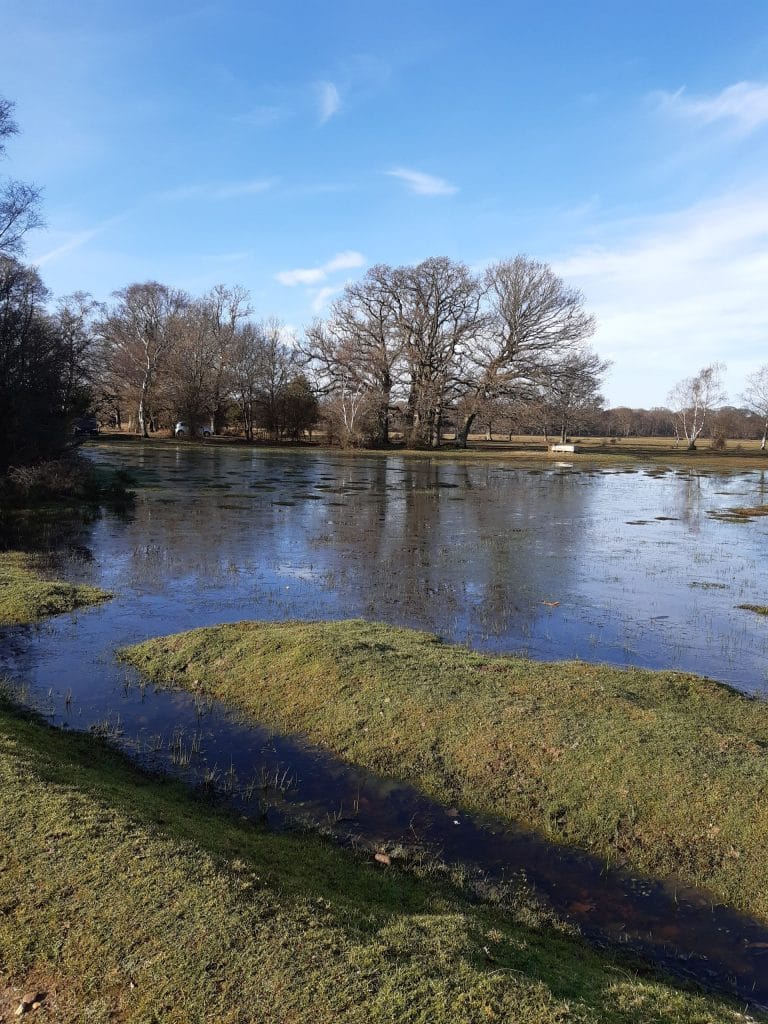
This is just off the A337 on the Brockenhurst to Lyndhurst road and is 1.75 miles on foot from the railway station at Brockenhurst. The Bluestar no 6 bus regularly passes this point.
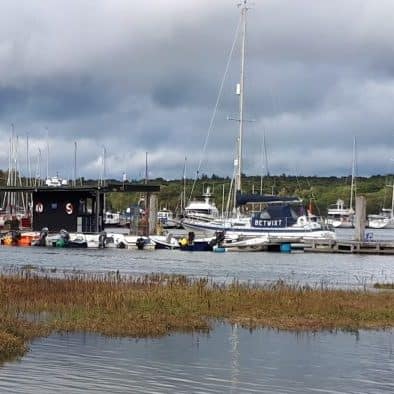
Balmer Lawn is one of the new Forest’s most iconic landmarks and one of the first things many visitors notice as they drive from the Southampton direction. Once a 19th century hunting lodge this fine hotel has recently changed ownership.


The car park by the Lymington river crossing is usually busy (popular beauty spot and paddling area), but go on left into the village and just beyond the hotel you will see tracks leading on to either Tilery Road or Standing Hat car parks. The river crossing was a ford as far back as Roman times.
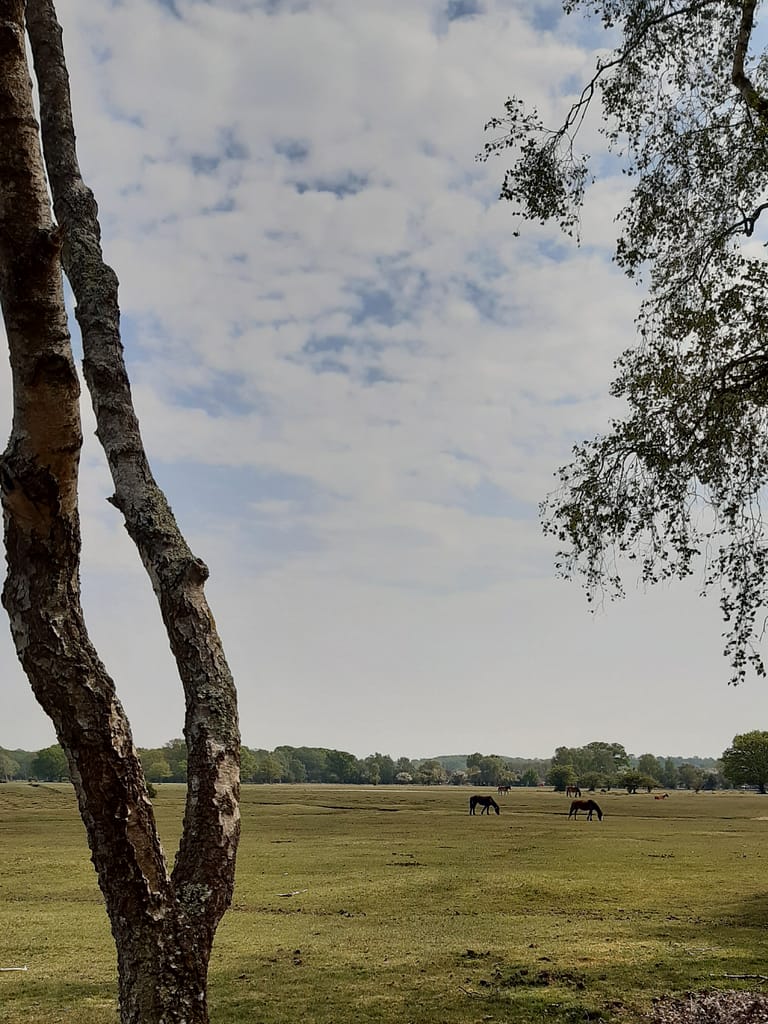
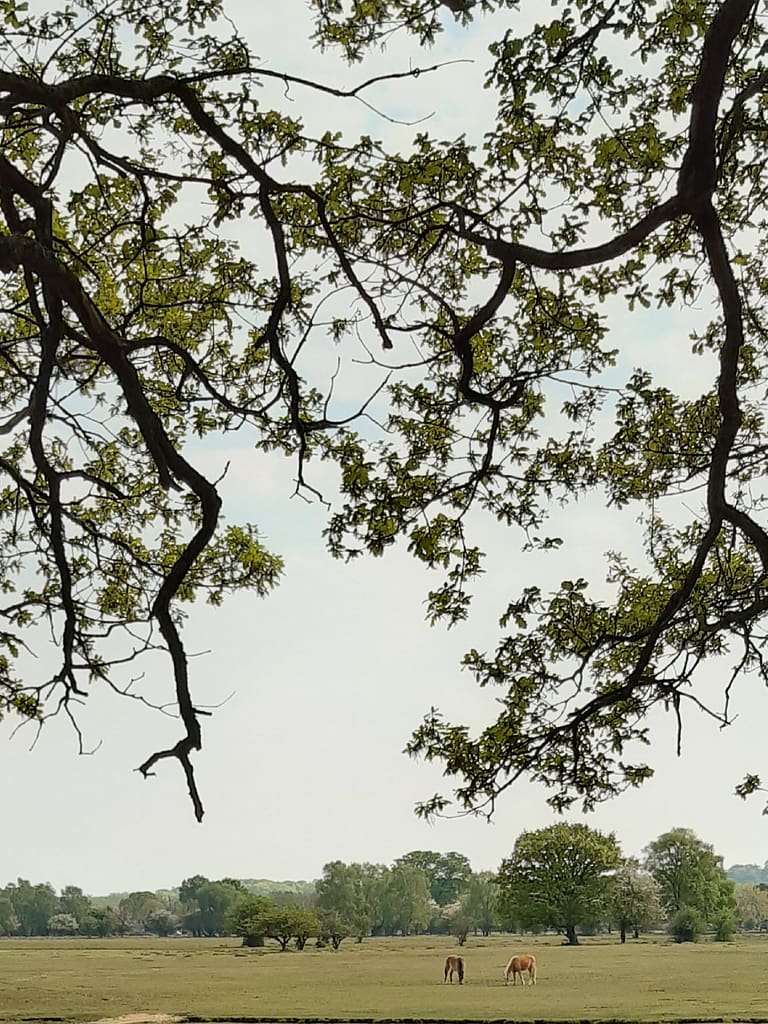
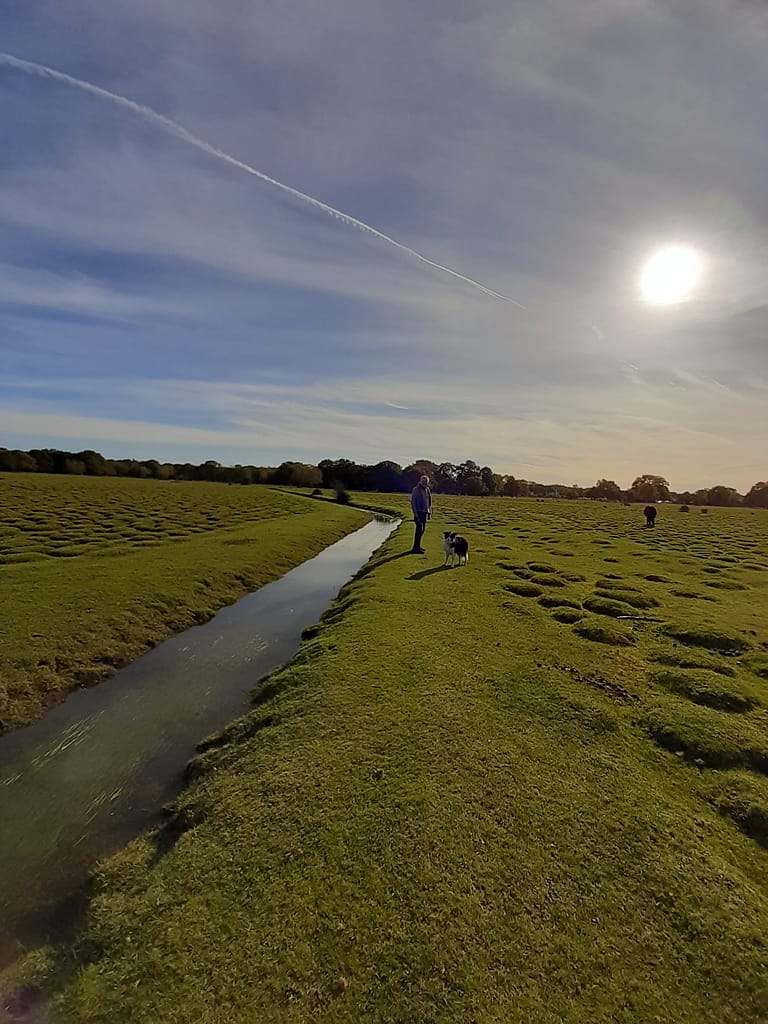

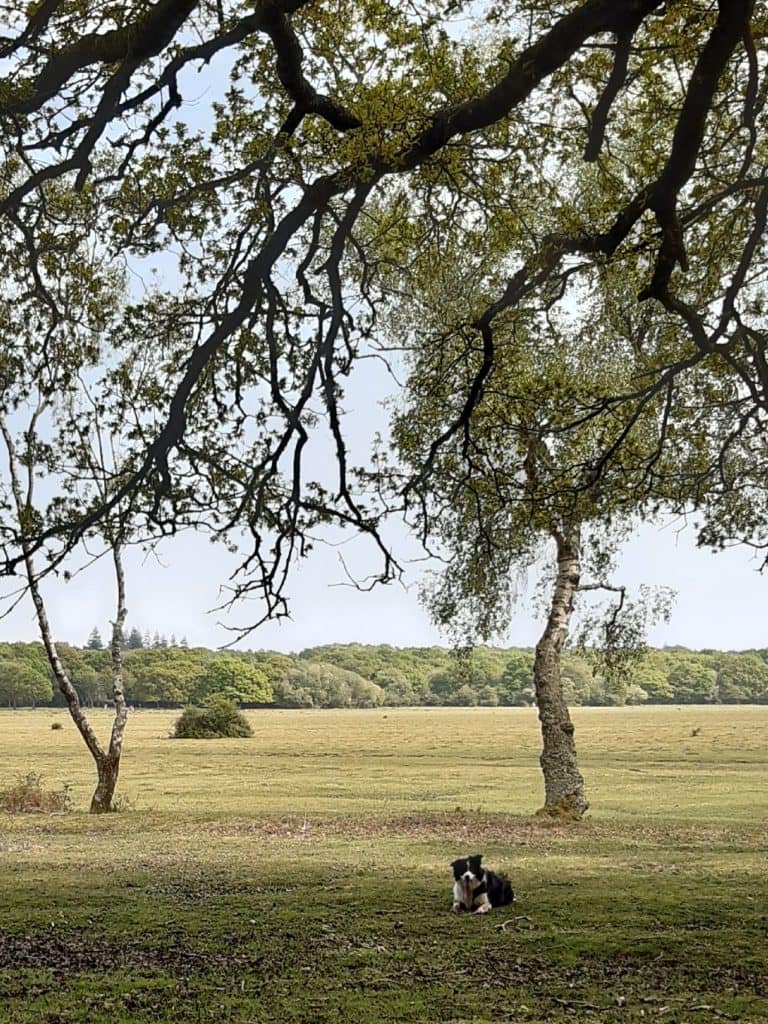
Once called Palmers Water, this huge 500 acres lawn is located in an ampitheatre surrounded by woodland stretching over 500 acres north of Brockenhurst. Mentioned as having a ford over the river in the Domesday Book, the grassy areas were enclosed by a dyke crated in 1284. The Bishop of Winchester was so determined to mark out as much land as possible he crawled for 24 hours – at the time the boundary was decided by how far one could crawl in a day! Village cricket matches are still played on the front lawn and to the rear of the hotel is a huge area of bumpy land, caused by ants nests. Always grazed by new Forest ponies and cattle the grass remains short, hence it’s lawn-like status. You may also spot the remains of Victorian tile and brick works, after which Tilery Road is named.

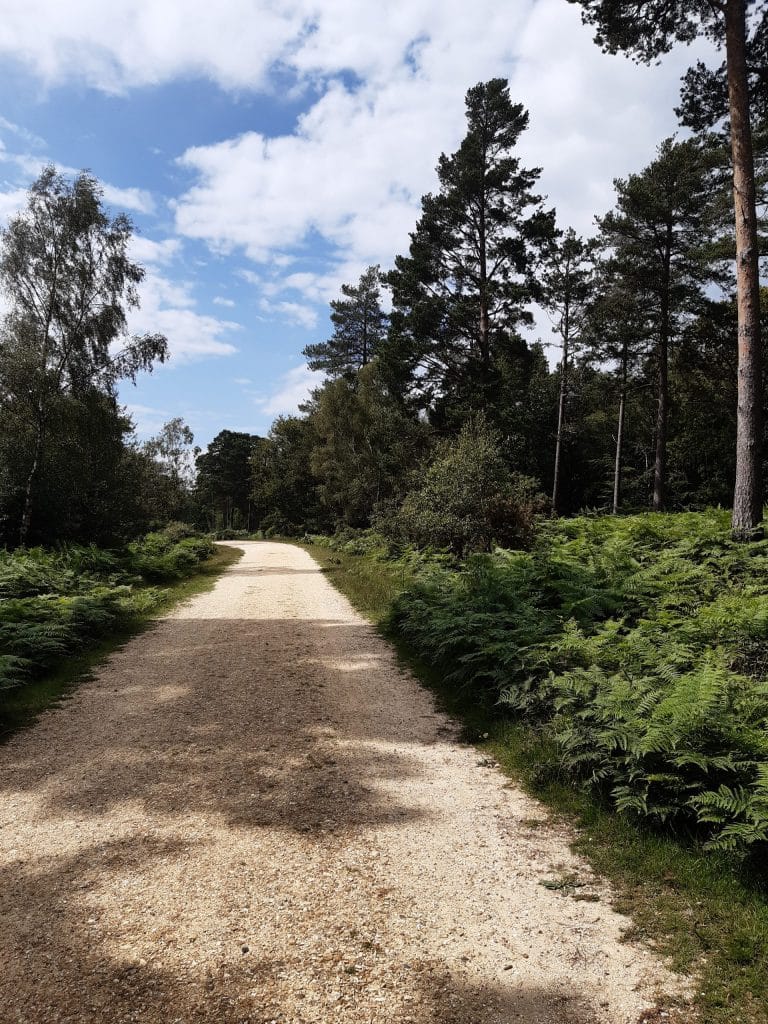
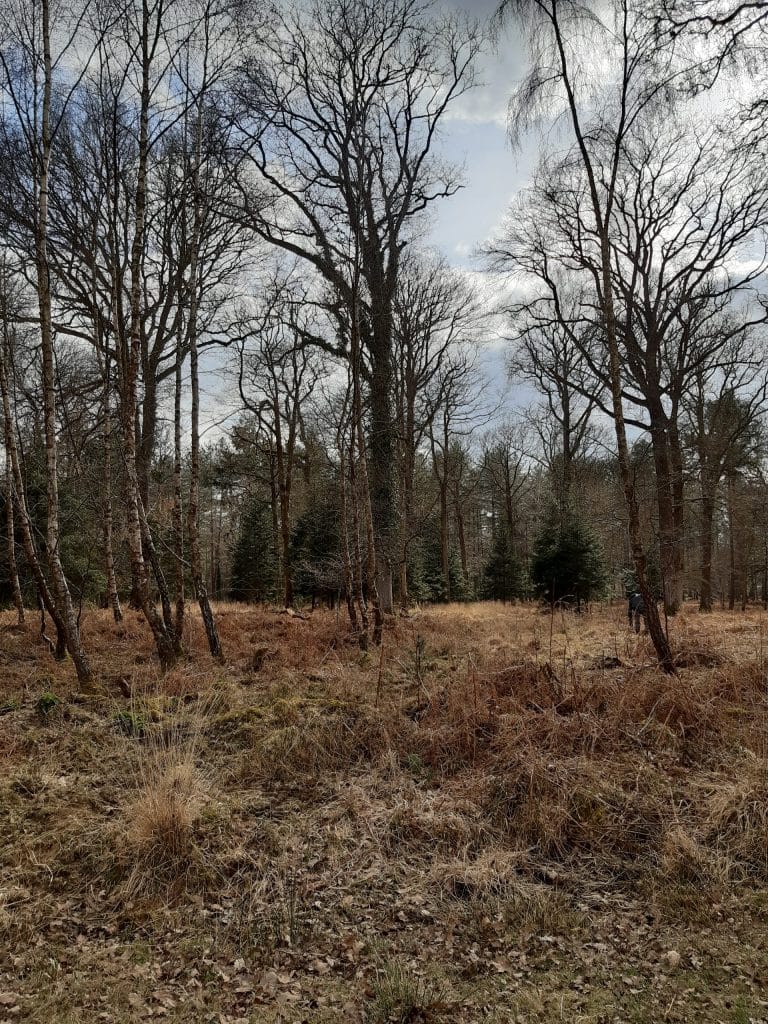
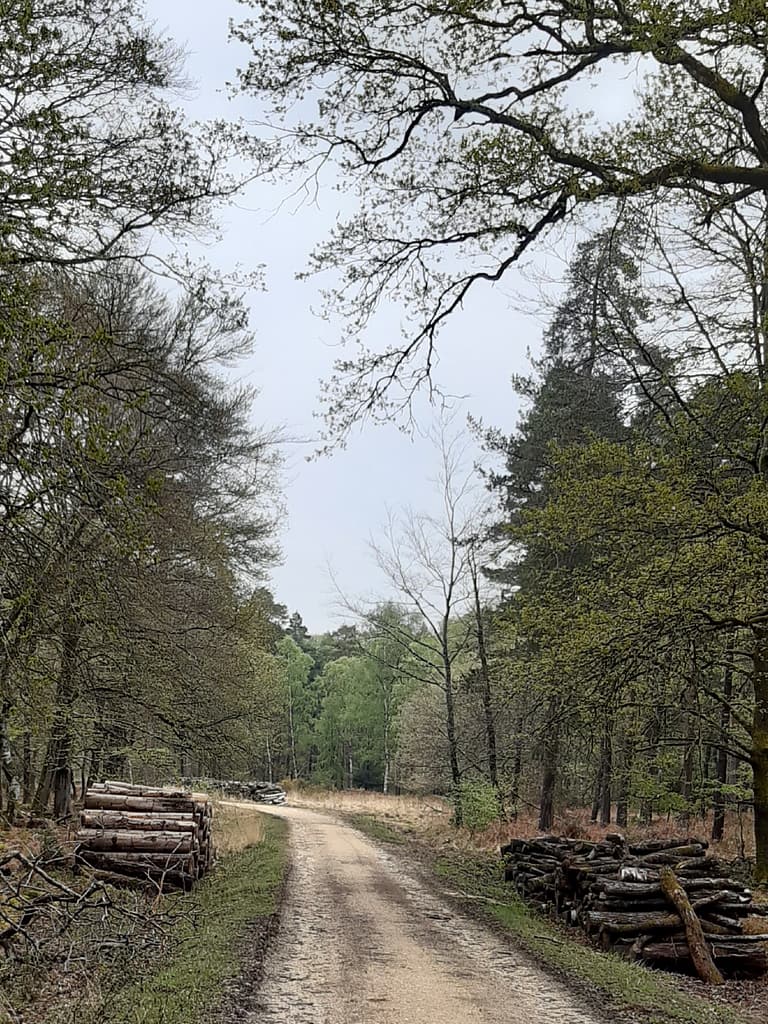
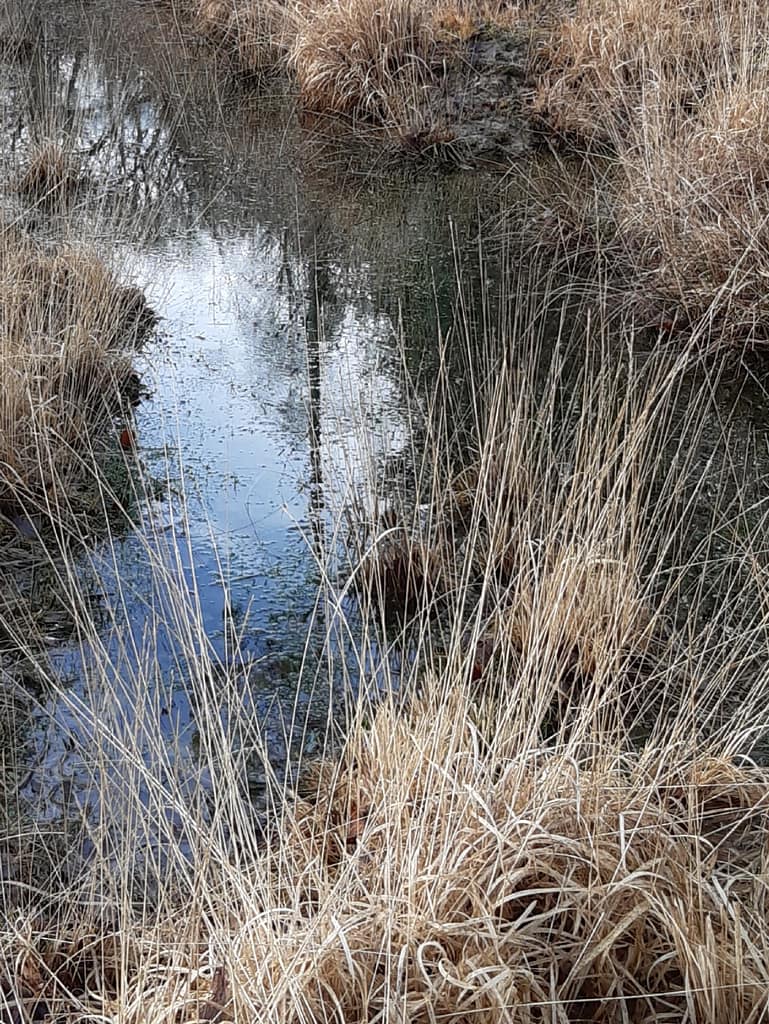
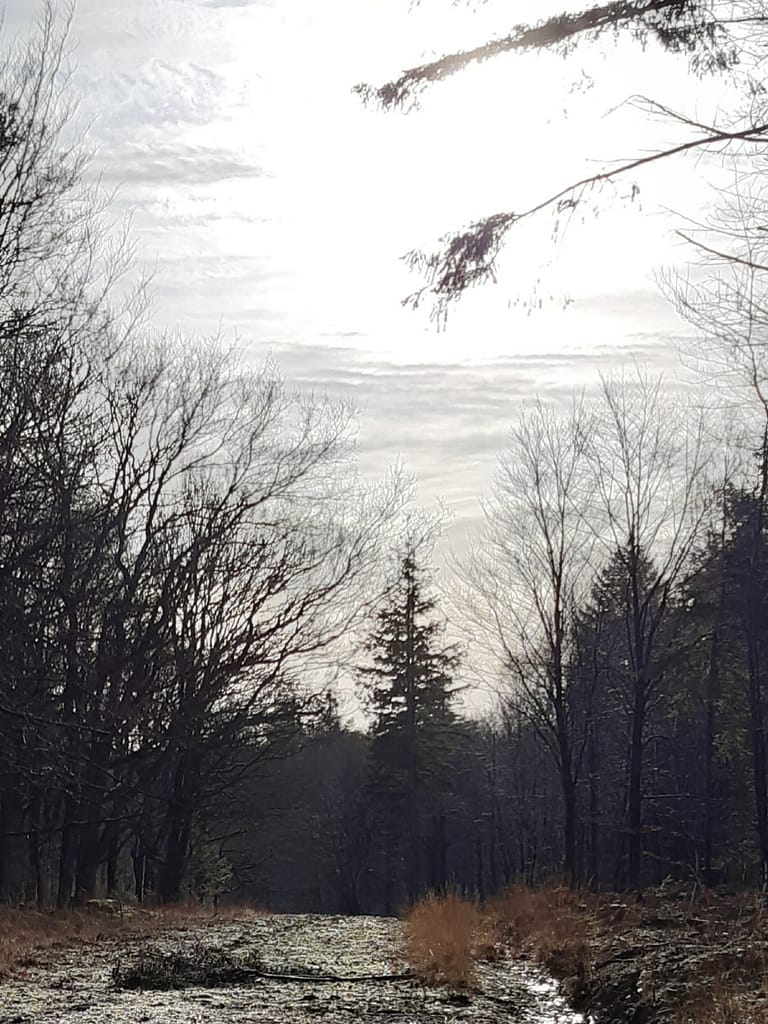
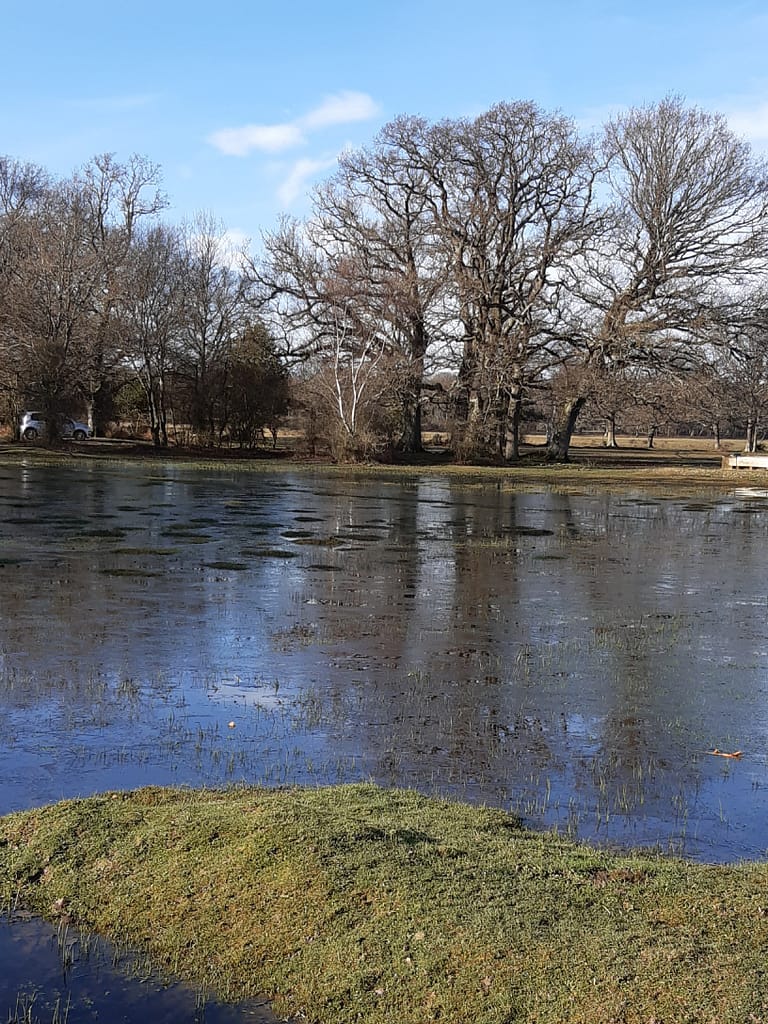
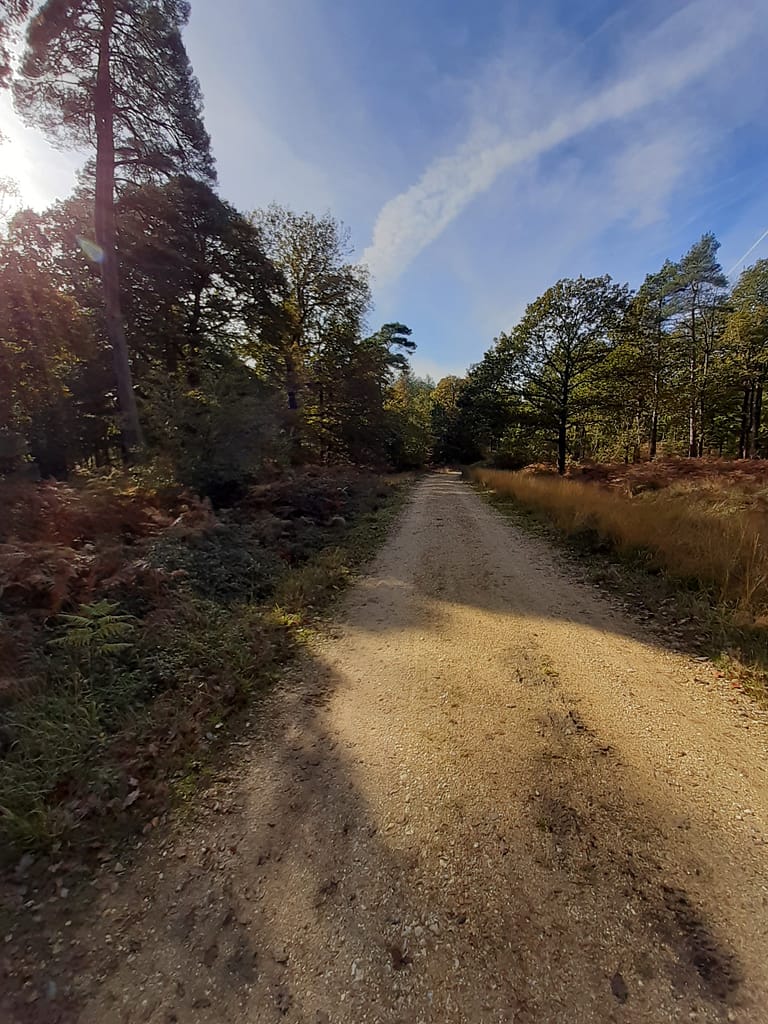
Within Denny Wood, the inclosures are called Pignal Hill, Park Hill and Stubby Copse. The furthest car park is at Standing Hat – such clumps of trees on knolls are called “hats” – as explained by Heywood Summer in 1923 and are also described as having well-grown trees. There are 7 miles of cycling, walking or running – on both wide gravelled paths and rougher side-tracks. This is a great area to explore as it contains very ancient unenclosed woodland on the edges and inclosures of both broad-leaved and coniferous woodland. In winter the side paths are very boggy and sometimes under water, but the main paths are always passable.




Standing Hat and its surrounds are excellent for birdsong and the very first cuckoos are often heard here in Spring. Please be aware that both car parks are subject to closure during the ground-nesting bird season and can quickly fill up – Duke of Edinburgh school groups tend to favour this area in early autumn too. Do not park on the verges – go early or out of season!