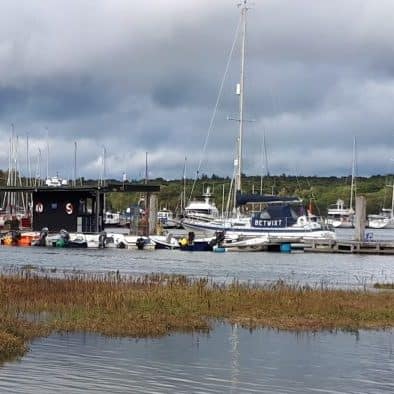
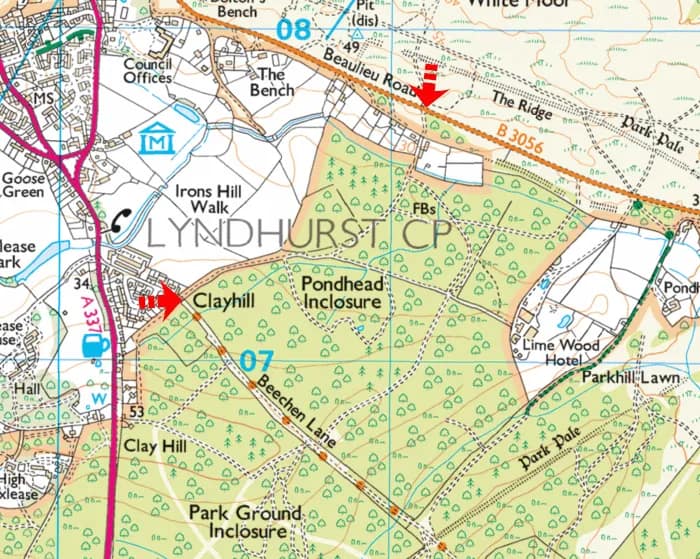
Beaulieu Road, Lyndhurst, SO43 7FZ. SU3007 3107 Limited parking at the access point in Beechen Lane (2/3 mile outside Lyndhurst on the road to Brockenhurst, almost opposite Foxlease) or walk from the Park Pale car
Beaulieu Road, Lyndhurst, SO43 7FZ. SU3007 3107
Limited parking at the access point in Beechen Lane (2/3 mile outside Lyndhurst on the road to Brockenhurst, almost opposite Foxlease) or walk from the Park Pale car park near Boltons Bench in Lyndhurst.
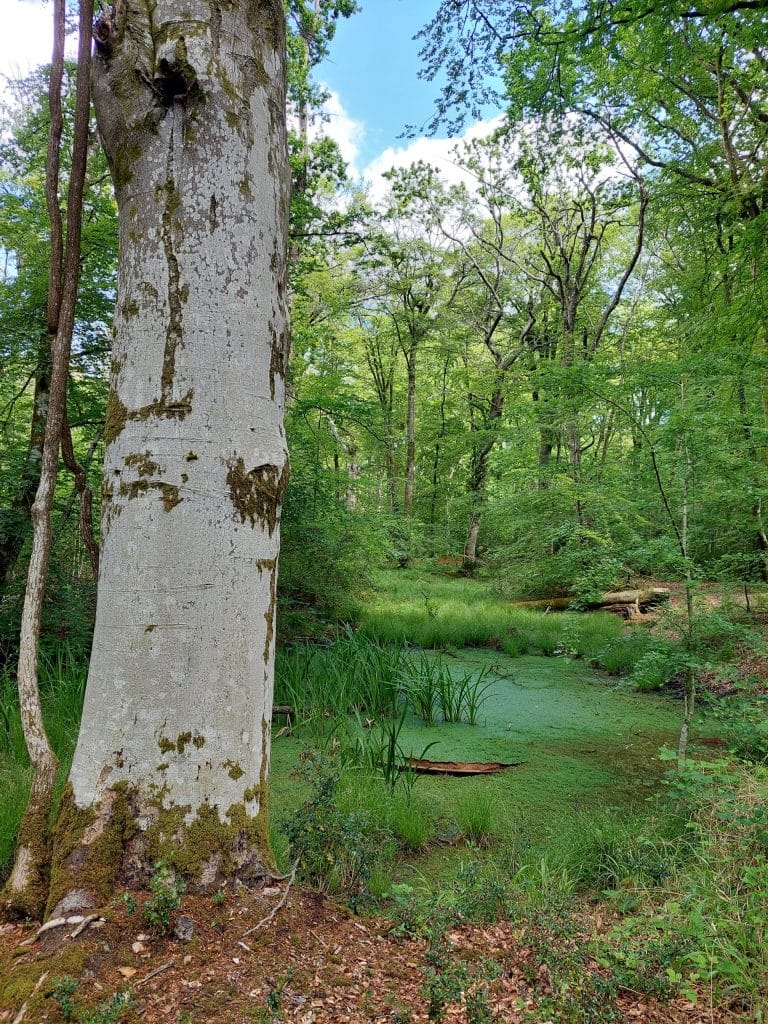
Pondhead Inclosure is part of the New Forest’s Crown Lands and has an abundance of oak, beech, and sweet chestnut trees.


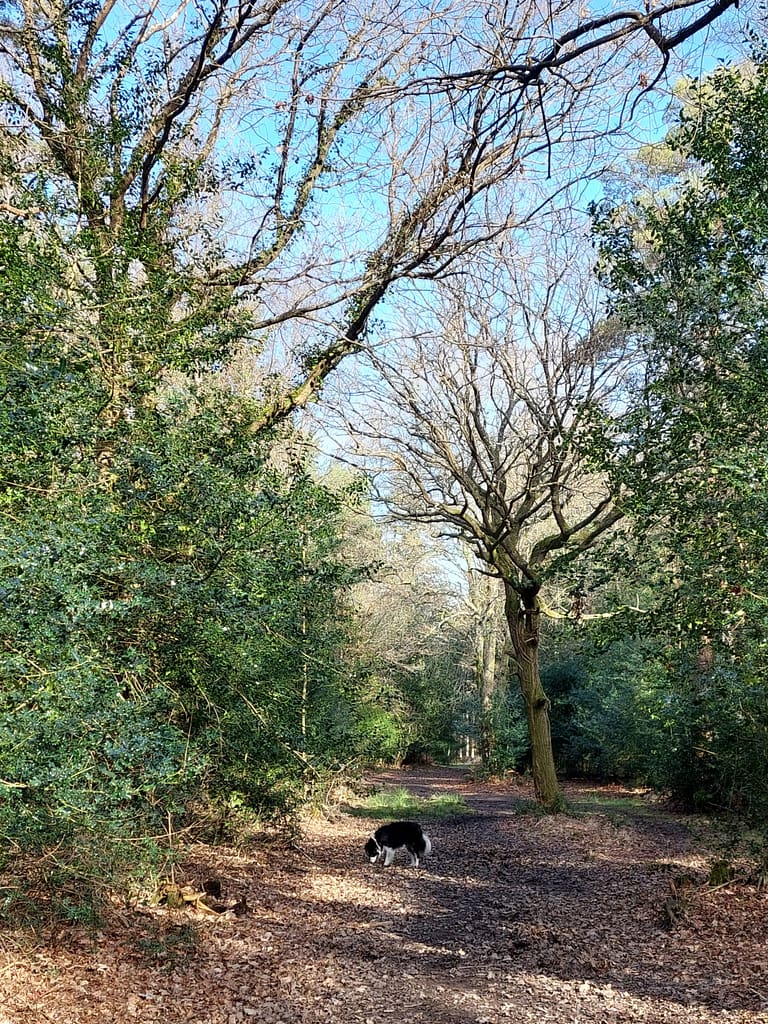
The 190-acre Inclosure is managed by the Pondhead Conservation Trust, whose many volunteers aim to restore the hazel coppice, woodland understory, and network of tracks. Anyone can get involved with a minimum commitment of 1 session per annum. There is am autumn/winter programme of clearance and restoration and in spring/summer attention turns to charcoal production. Contact the team at info@pondheadconservation.org.uk for more information or they have a Facebook page. The Trust, which works in partnership with the Forestry Commission, has won many awards for its work, including the prestigious Queens Award for Voluntary Service.
The unique habitat is due to the centuries of non-grazing which has sustained a rich variety of flora, birds, and butterflies – the rare silver-washed fritillaries and White Admiral butterflies can be seen here. High fences surround the Inclosure to keep out deer. Pondhead is listed in the top 10 places in the UK to see bluebells too. A part named the Williams Copse was planted with 900 sessile oaks in 1979 to commemorate the creation of the New Forest in 1079 by King William 1.
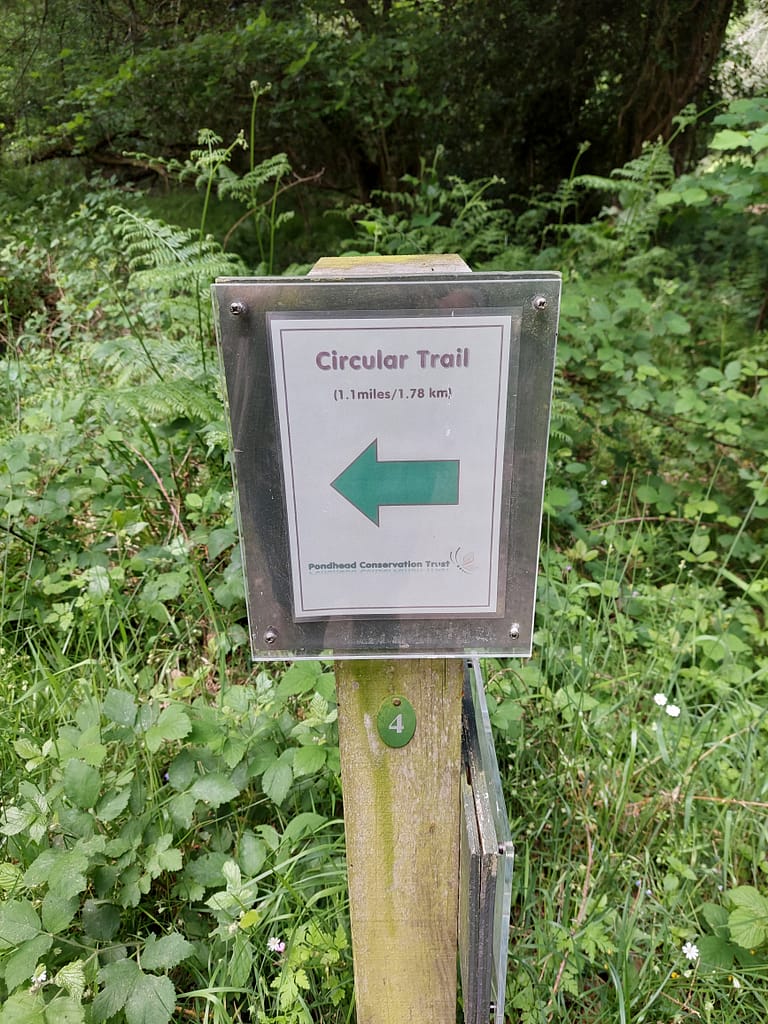
Within the Inclosure is a 1.1-mile circular trail with waymarked posts and QR codes for those with smartphones.
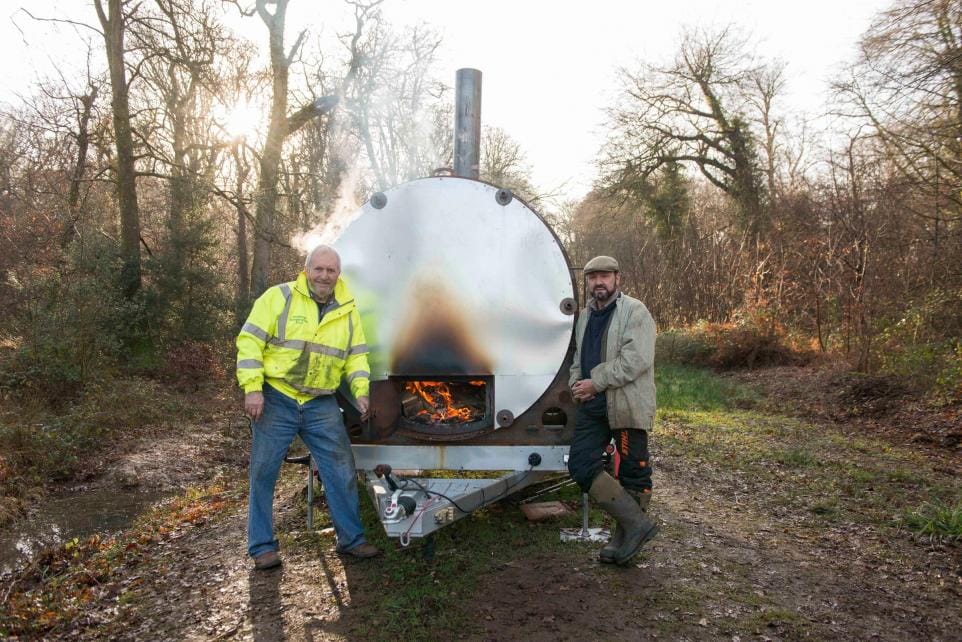
Charcoal produced by the volunteers can be purchased online and delivered locally – it lights easily, burns easily, and laves no odours. A retort kiln is used to produce the charcoal, which is modern and environmentally sustainable with minimal waste and 75% less pollutants released than other methods. At certain time of the year bean poles, flower stakes and even chairs are sold, and the team run courses for those interested in learning ancient crafts using coppiced wood. Coppicing involved cutting certain woods back to ground level to encourage regrowth of straight sticks – typically a hazel tree lives about 60 years but can last thousands if coppiced regularly.
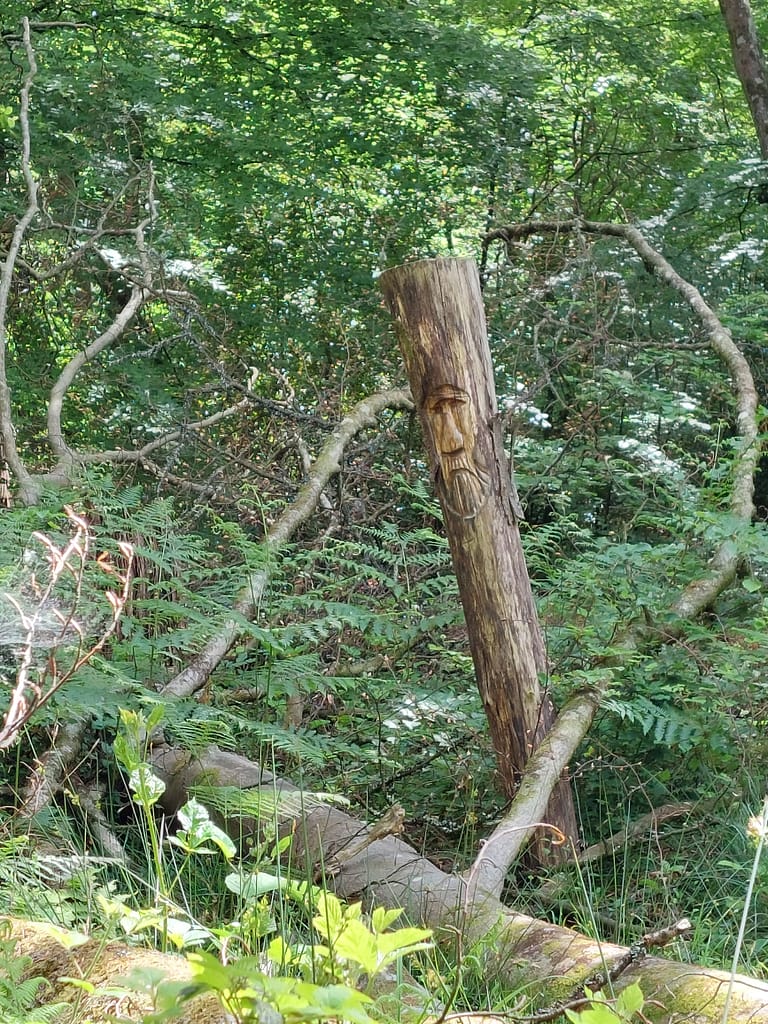
If you have children or grandchildren, then the most exciting part of visiting Pondhead is looking for the wooden sculptures such as the owl and, best of all, the Bisterne dragon! The legend of this dragon was set in Bisterne, Burley and Lyndhurst and told of the dragon’s daily visits to demand sustenance – mutton, milk, or a maid. In the 15th century Sir Morris Berkeley decided to trap the dragon when it came for milk and hid with his two dogs to attack. After a valiant fight the dragon was slain and died at Boltons Bench – the body being under the mound – but the dogs were killed too. The dragon slayer was so tormented by his act that he too lay down and died at the spot a month later and his yew bow is said to be the source of the famous yew tree at the hilltop just outside Lyndhurst….The sculpture was created by Perry Bond and keeps our granddaughter entertained for ages, as you can see. The little clearing also has stick houses and lots else to explore.


