In 2019 the organisation Plantlife started the No Mow May campaign in a UK wide endeavour to address the loss of 97% of our flower-rich meadows since the 1930s. By encouraging councils to not cut
In 2019 the organisation Plantlife started the No Mow May campaign in a UK wide endeavour to address the loss of 97% of our flower-rich meadows since the 1930s. By encouraging councils to not cut verges and other areas of grass in the month of May a positive impact can be achieved on providing a feat for pollinators, tacking pollution, and reducing urban heat extremes. Atmospheric carbon is also locked away and, apart from all these benefits, the abundance of wildflowers looks fabulous and is good for our well-being and happiness!
So, what can everyone do to help – even the smallest patch of wildness can help – lawns are an ecosystem – with a complex myriad of microbes and fungi below the surface and all the plants above sustain insects, birds, and mammals.
And after not mowing in May, aim to have at least 2 lengths of grass in your garden and cut about 4-6 weekly to maximise flowers and nectar. Aiming for a lawn cutting height of between 2.5 – 5cm can make a difference and perhaps reduce that brown effect of our warming summers. If you regularly mow your lawns, then please don’t start from the edges and work in as you create a “killing zone” in the centre from which tiny insects and creatures cannot escape!
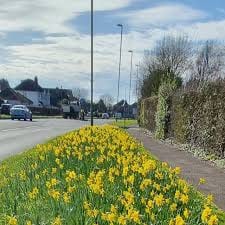
There has been a huge shift in attitudes towards having wilder gardens – even the Chelsea Flower Show now aims for at least one third of their show to feature what would once have been deemed “weeds”. National gardening organisations no longer promote the use of weedkillers.
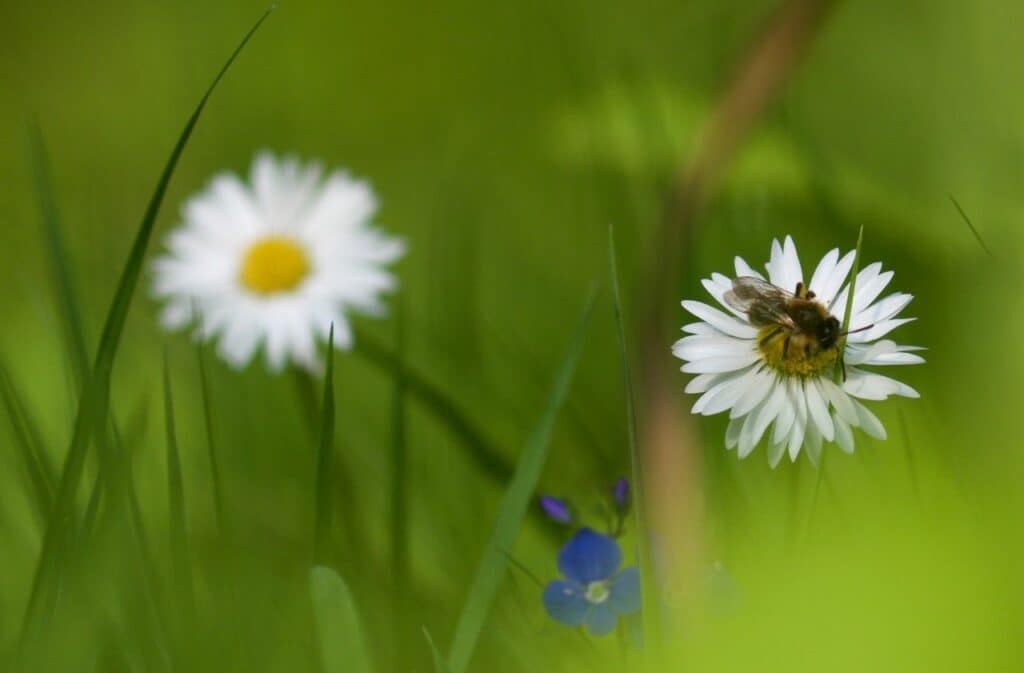
Even a town-centre piece of grass can host wildflowers as diverse as birds-foot trefoil, selfheal, clover, daisies and dandelions, buttercups, and draught -resistant yarrow (the latter can really help during dry hot summers we seem to get now).

Our local council, New Forest District Council, is committed to relaxing grass cutting and for the ecological benefits, NOT as a cost cutting exercise. By adjusting the usual 6 week cutting rota they are tackling the local climate emergency and increasing the number of species, nectar sources and habitats. Leaving the bulbs to absorb energy after flowering. also promotes even better displays the following year. Leaving the cuttings rejuvenates the nutrients so try to cast aside your possibly long-held beliefs that verges should look neat and think of the long-term sustainability of the planet! The council has also reassured motorists that junctions will still be kept clear for good visibility.
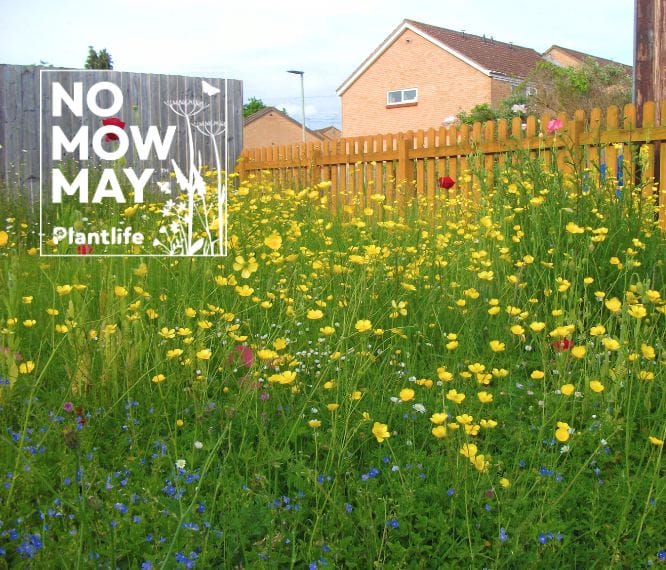
I will never forget the wonderful shock I felt when first moving to a remote part of Cumbria in the 1980s – waist-high waving wild flowers everywhere and then finding the verges and hedgerows flowering in abundance decades later in West Wales. It is a small sign of hope that this practice is gradually gaining momentum even in the most affluent parts of England and I try to enjoy the areas uncut in my local neighbourhood , even whilst cringing at the ferocious verge-cutters that still resist the science!