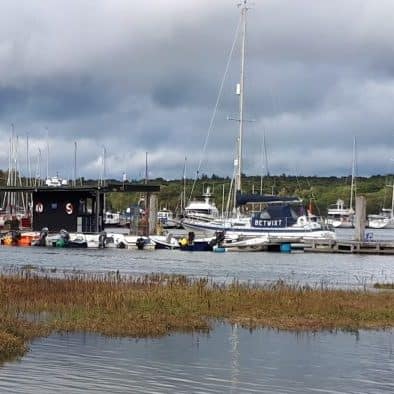
A long bracing walk or various shorter versions …or a boat trip in season. From Saltgrass Lane in Keyhaven to the castle is 1.5 miles each way – start at the old wooden crabbing bridge
A long bracing walk or various shorter versions …or a boat trip in season.
From Saltgrass Lane in Keyhaven to the castle is 1.5 miles each way – start at the old wooden crabbing bridge and keep to the flatter part of the spit shingle for easiest walking. Beware of the traffic wardens in summer and high spring tides if you park in the lane . Keyhaven car park has toilets : SO41 0TP.
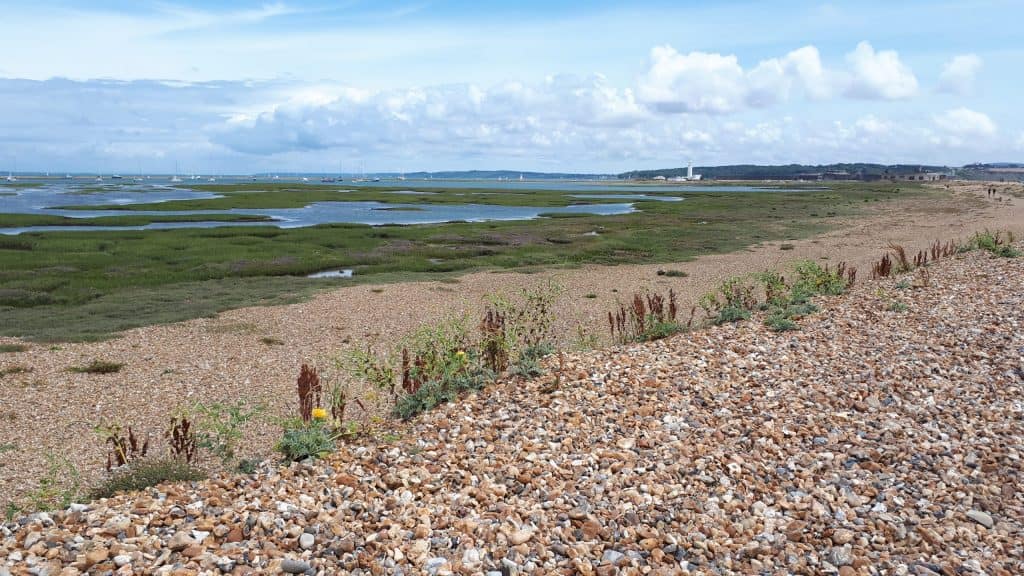
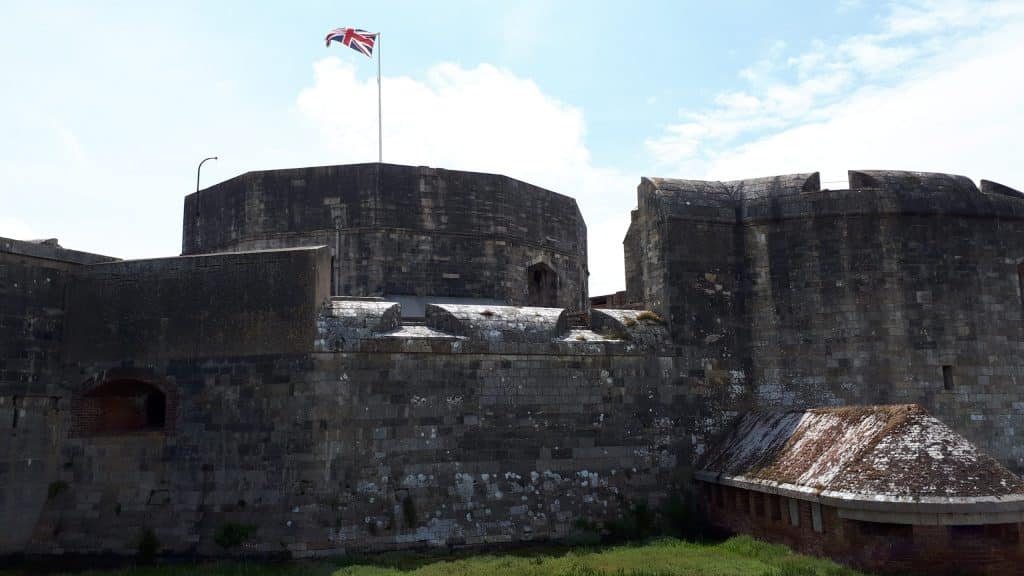
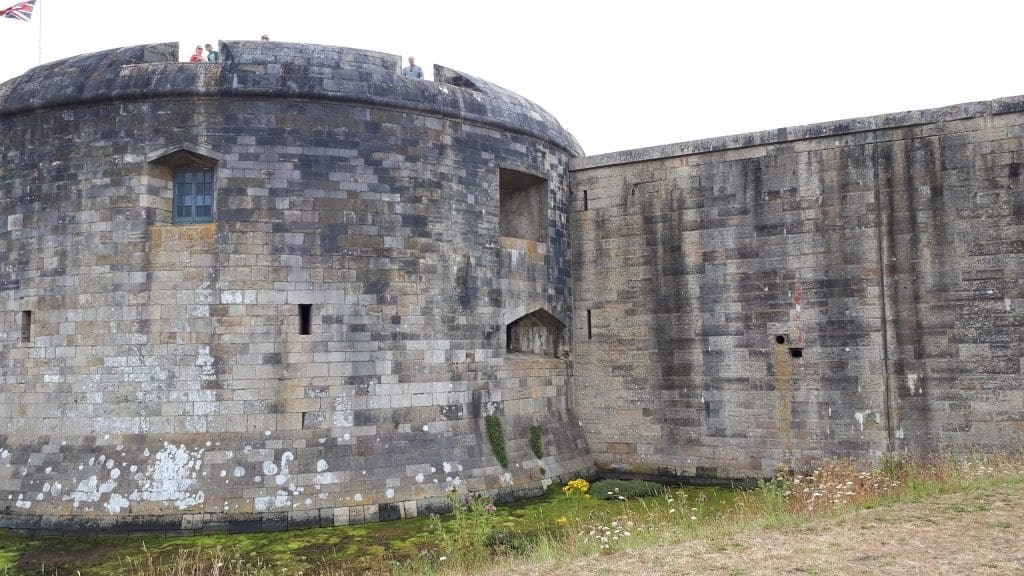
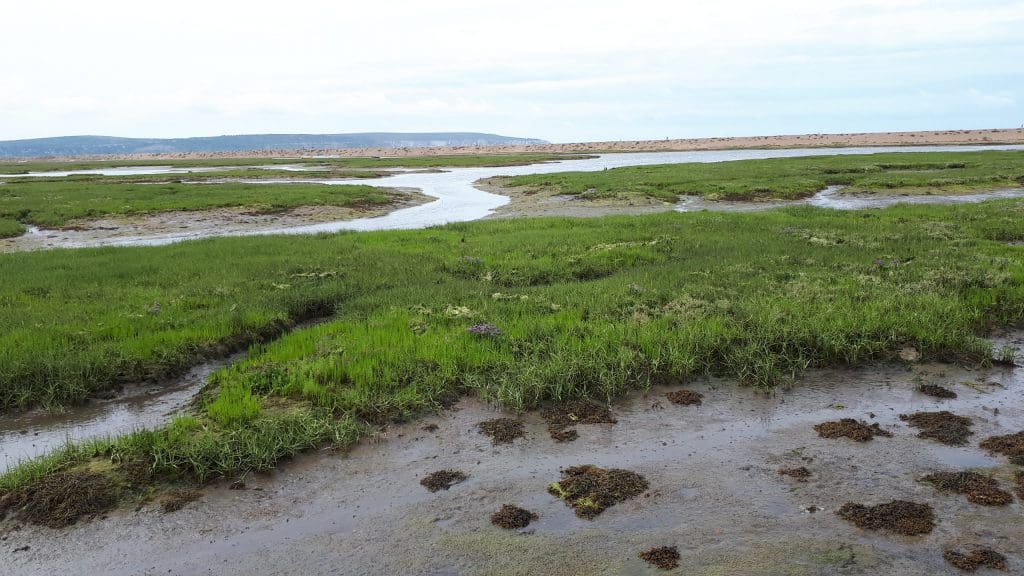
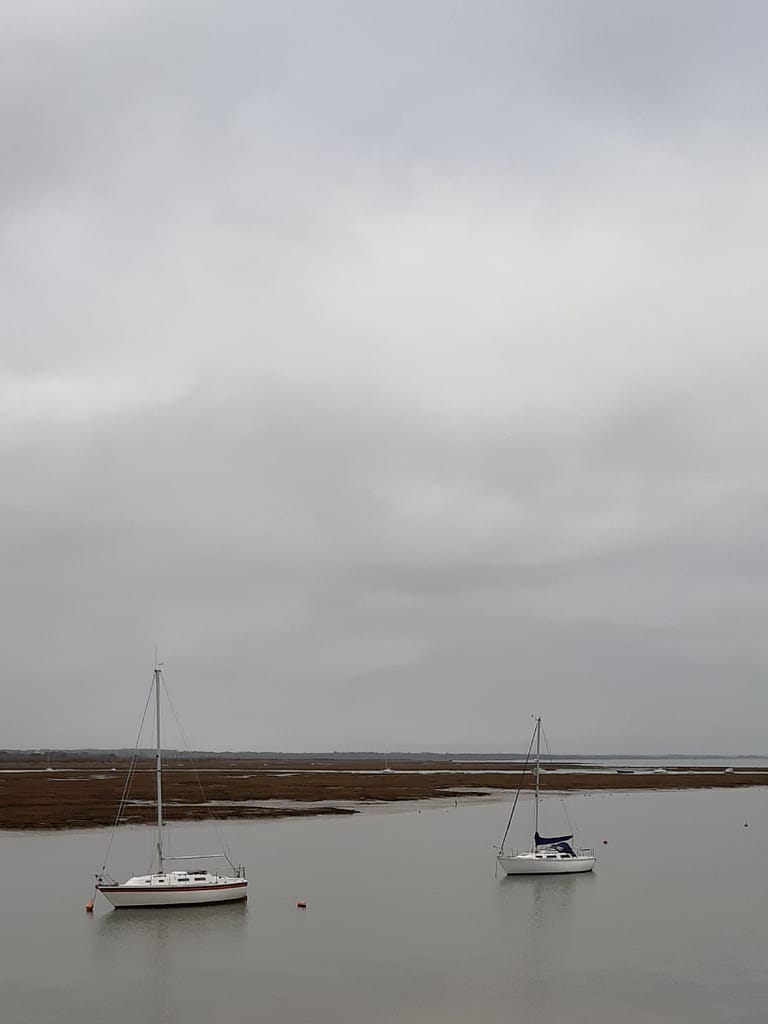
Hurst Spit is a 1.4 miles hook-shaped shingle bank stretching out from the shore into the Solent towards the Isle of Wight. It can be reached on foot from various points near Milford on Sea or Keyhaven as well as by the seasonal ferry from Keyhaven harbour. This area forms a Site of Special Scientific Interest and the spit provides shelter to the Lymington river estuary and its many wildlife havens and lagoons.The sea here can be quite hazardous due to tidal flows and a sandbar known as “The Trap”! Inland a tidal channel feeds Sturt Pond, which is another important nature reserve.
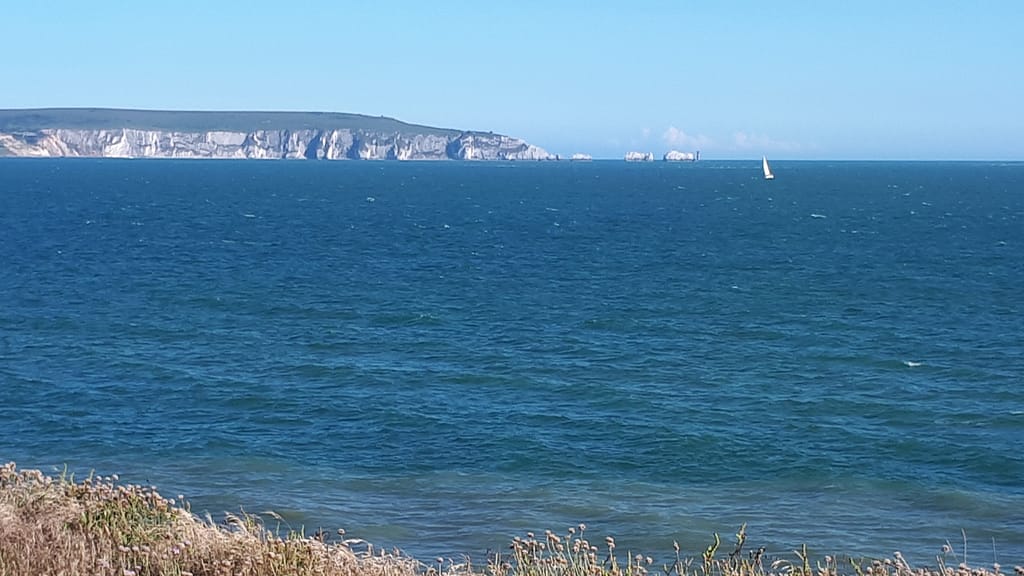
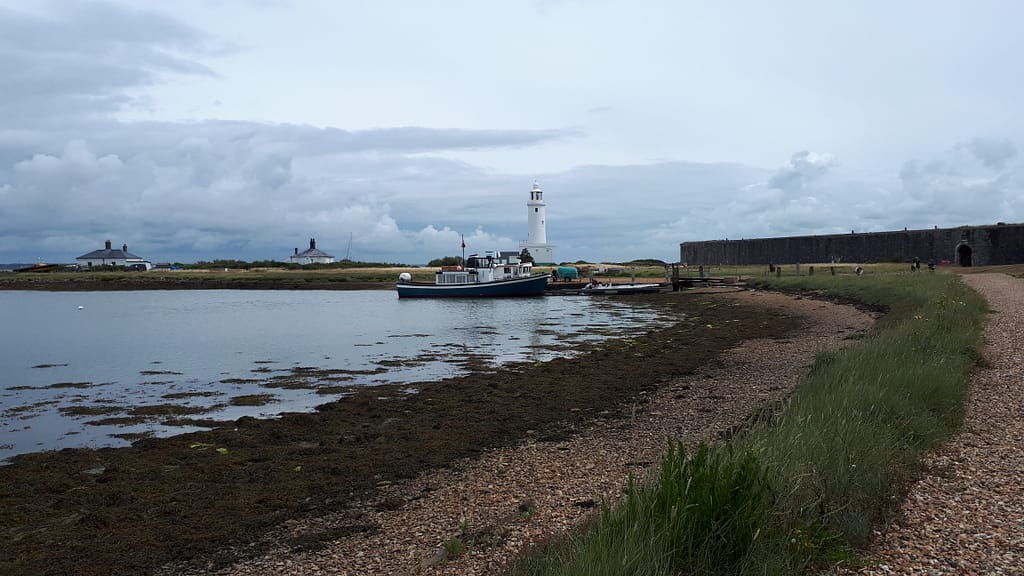
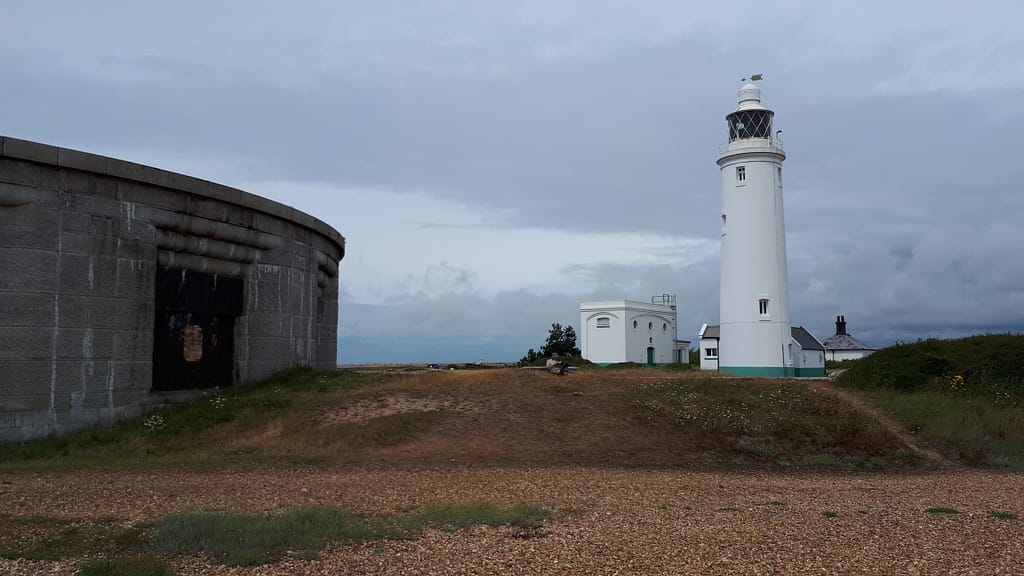


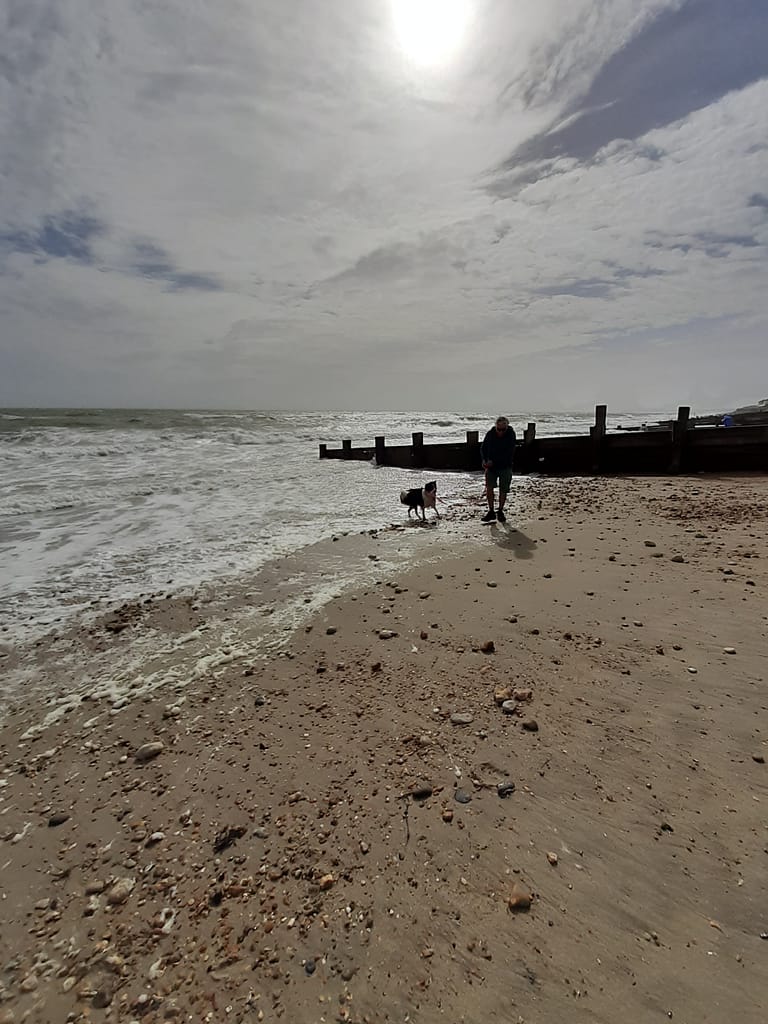

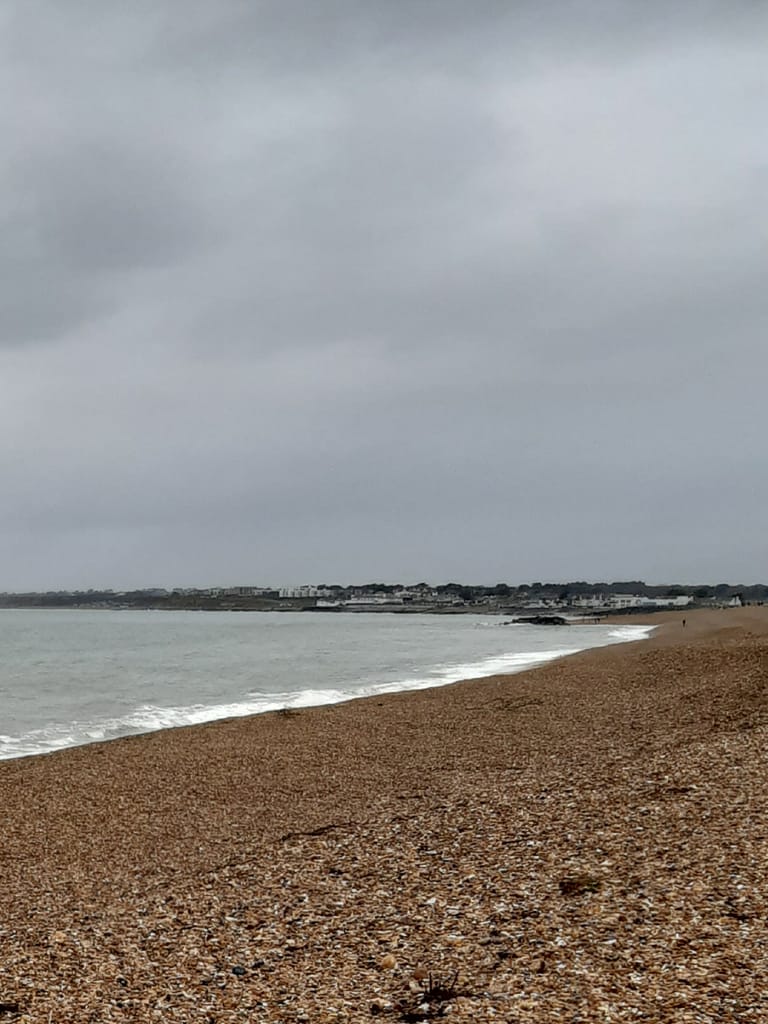
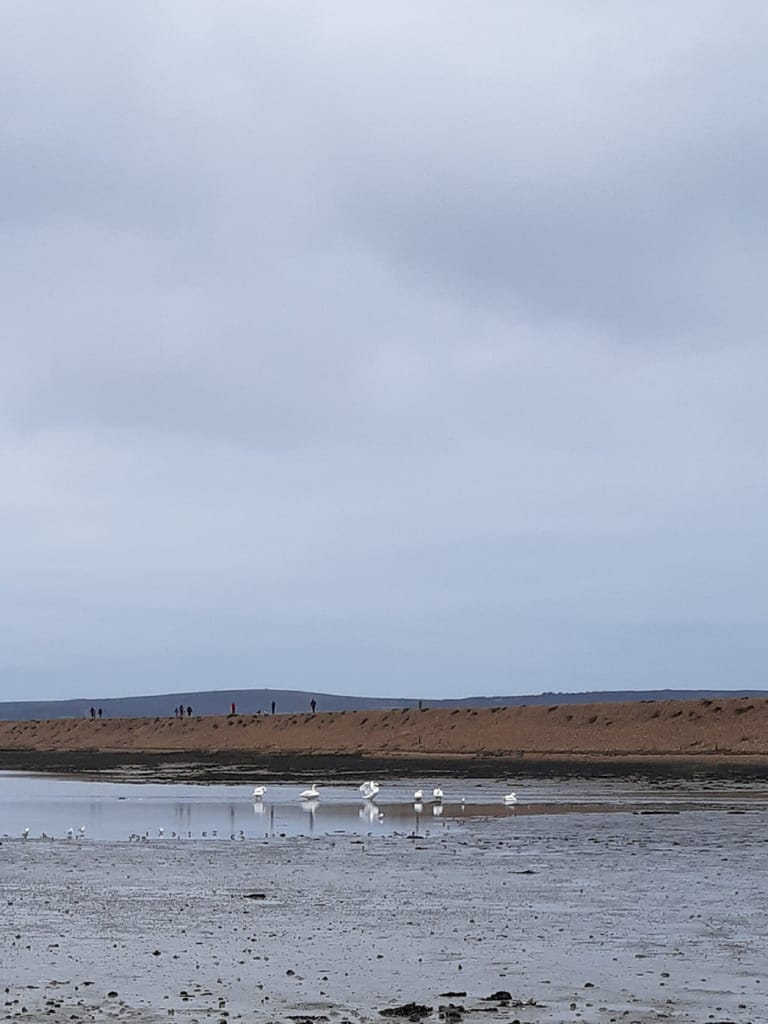
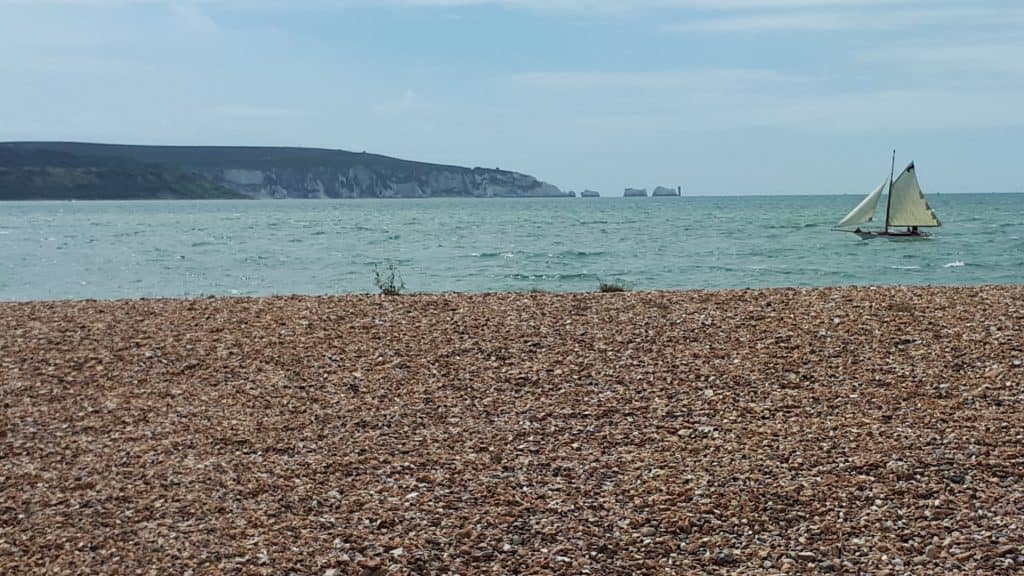
From the Spit, and also from the seaside village of Milford on Sea, there are stunning views of the Needles and Isle of Wight as well as across the sea to Bournemouth, Christchurch, Poole and Mudeford. Milford on Sea goes back to Saxon origins and is named for the mill ford.
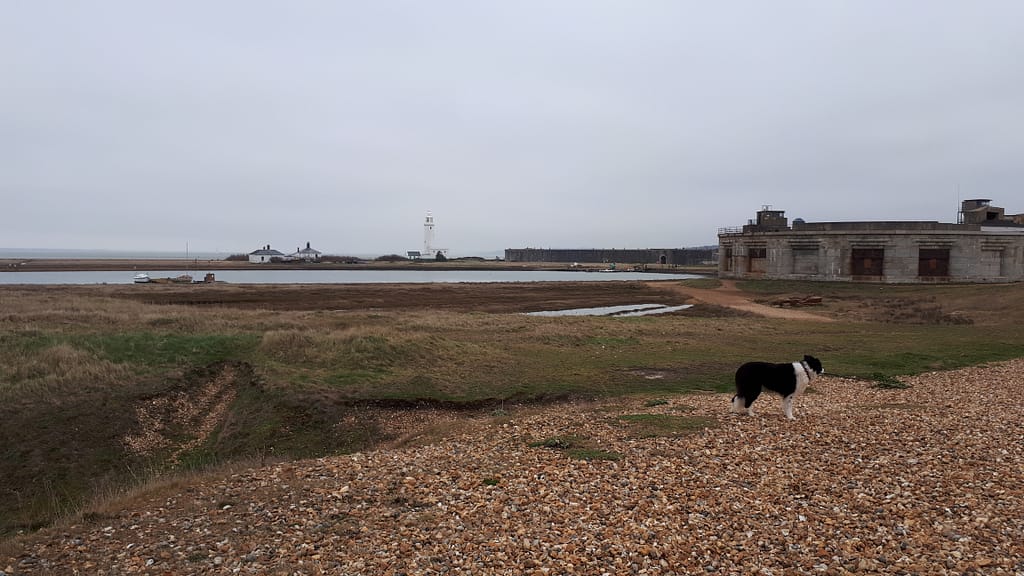
The spit was formed of flint pebbles, but has needed work in recent decades to stabilise it with the addition of truckloads of shingle. The storms of 2014 caused further damage and since then the spit has lost any natural appearance. There has been major erosion at the far end of the spit, which threatens to undermine Hurst Castle and has restricted access on the seaward side. where the water laps the walls on high tides. Flooding of the road has increased back on the shore and the long-term impact of changes across the bay are increasingly apparent.


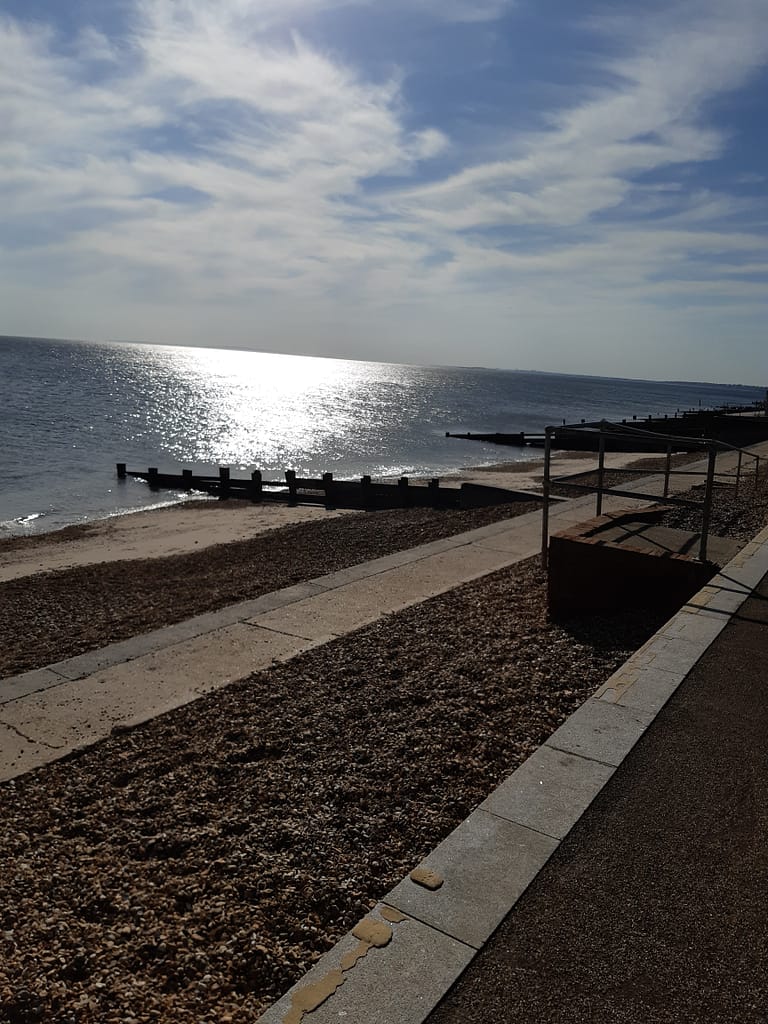


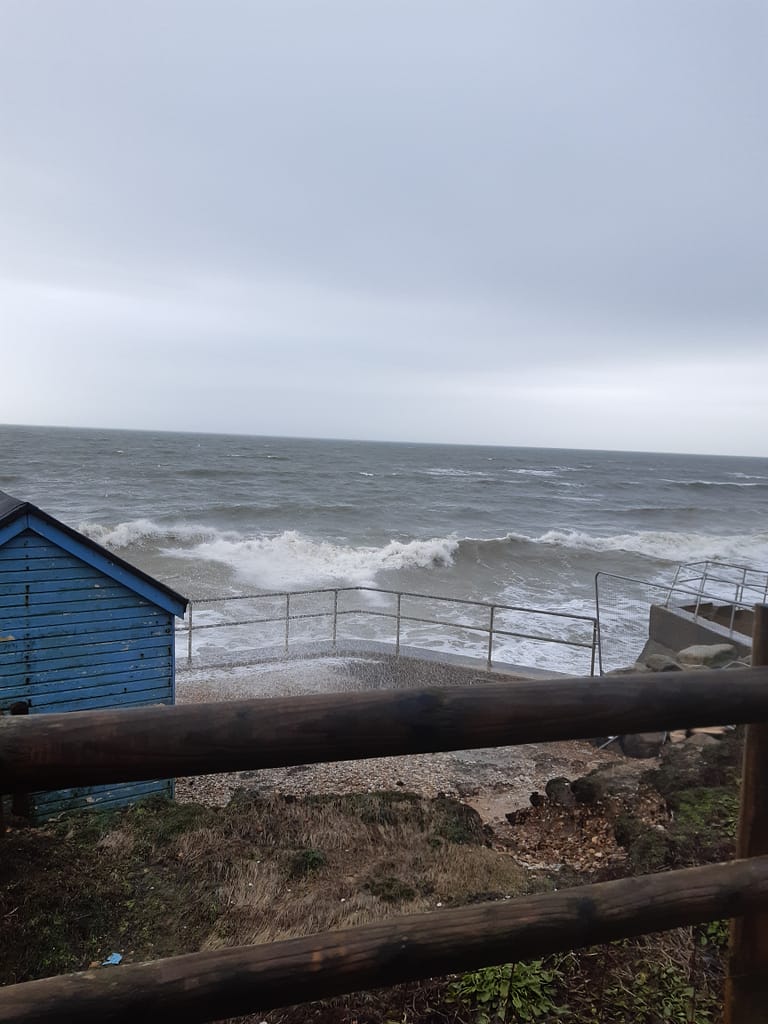
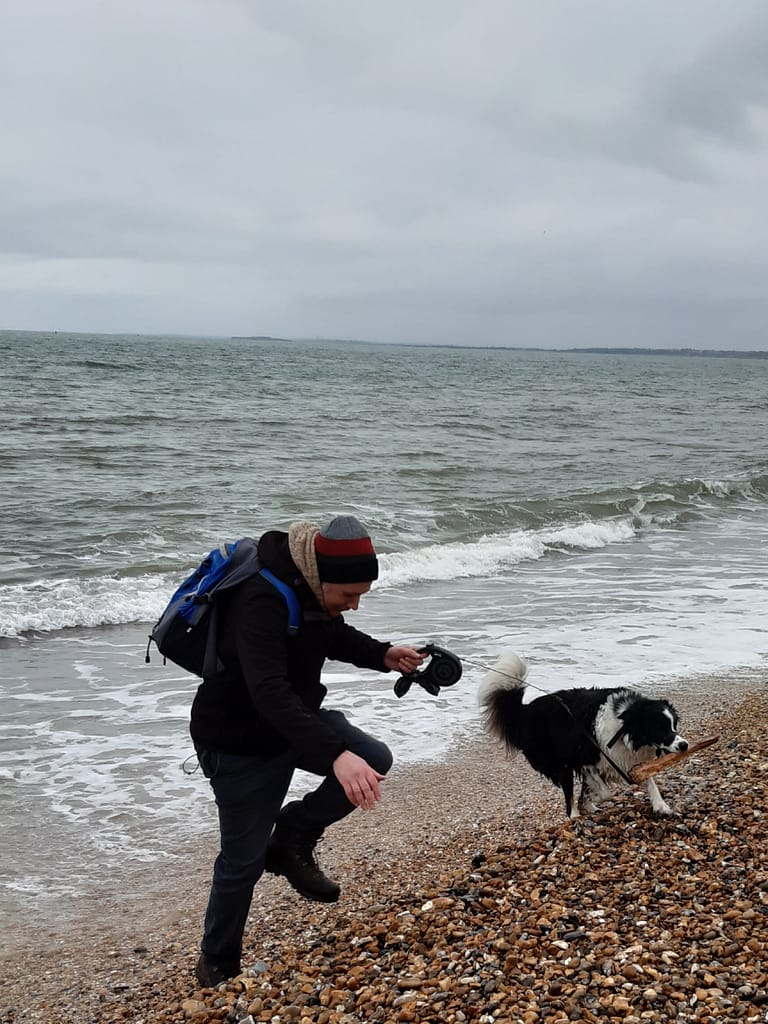
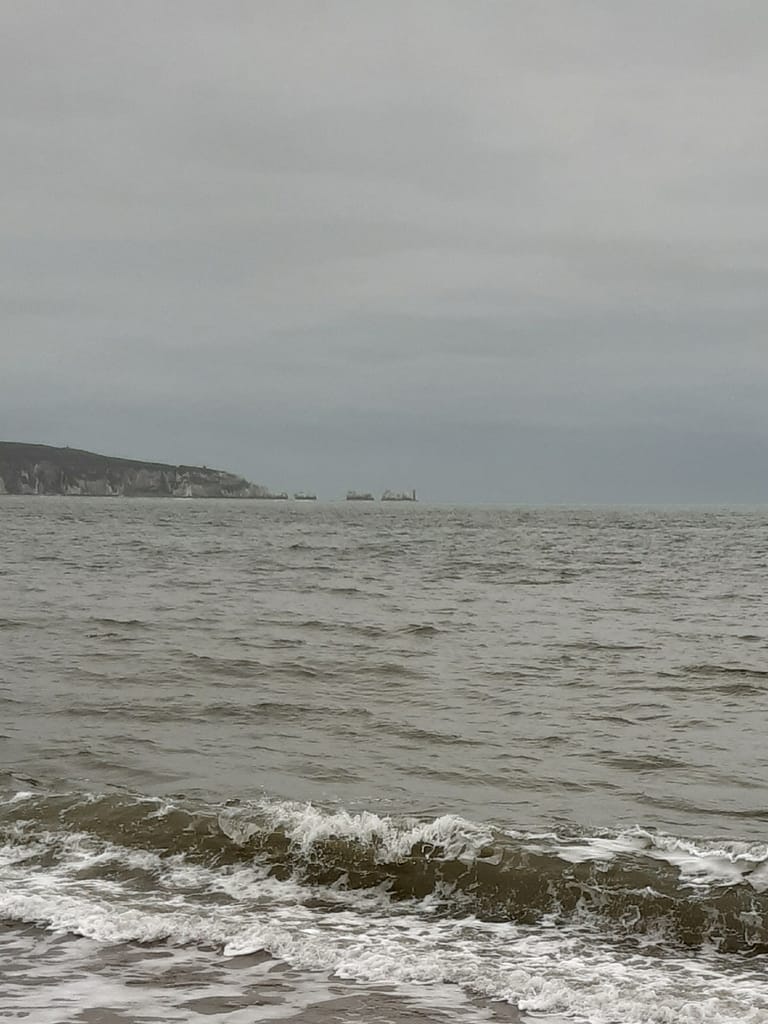

Nearby at Milford on Sea coastal erosion is taking its toll of the sea walls and beach huts and much work has been undertaken to protect the area – recent winters saw the collapse of various sections of wall and the shingle from the beach flung into the shore line car parks many times.
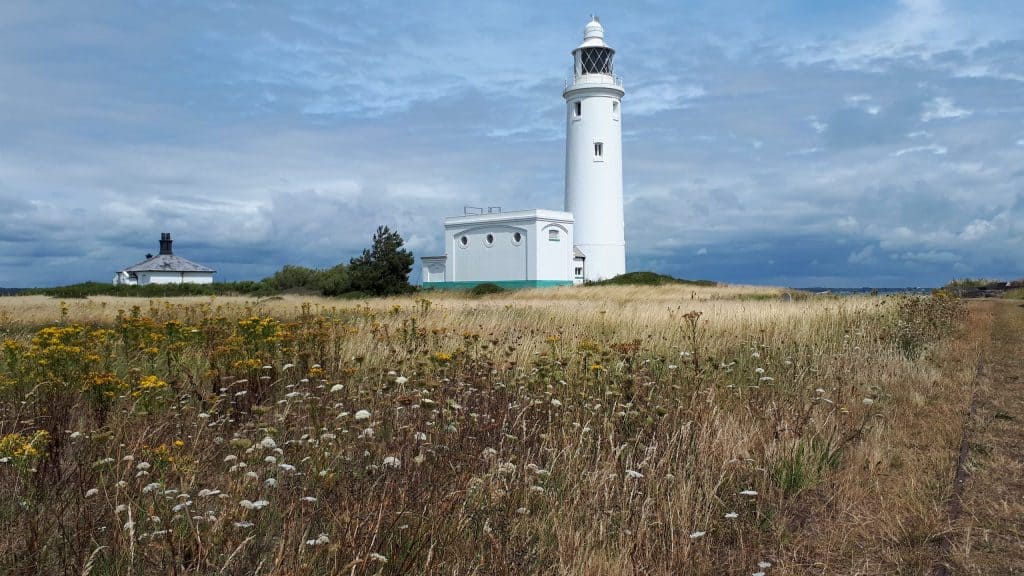
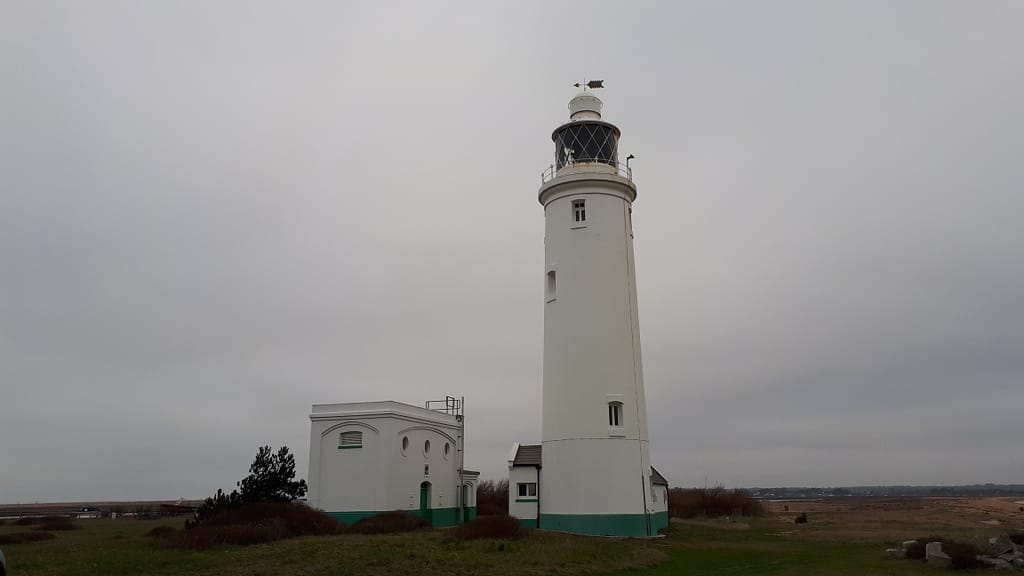
Hurst Castle sits on the very end of the spit and was first constructed by Henry VIII in the 1540s as an artillary fort and subsequently enlarged in Victorian times. In 1648 Charles I was imprisoned inside and it was held by the Parliamentarians throughout the Civil War. As recently as the Second World War Hurst Castle was occupied by soldiers, at which time some extra buildings were added. Next to the castle stands Hurst Lighthouse, first built in the 1860s, and you can clearly see the remains of a dock, tramway and tracks. There was a public house amongst the dwellings until the early 20th century. It is believed that unexploded ordnance still lies in the waters. English Heritage now look after the site and there is a museum with 38 ton guns on display as well as many other fascinating artefacts.
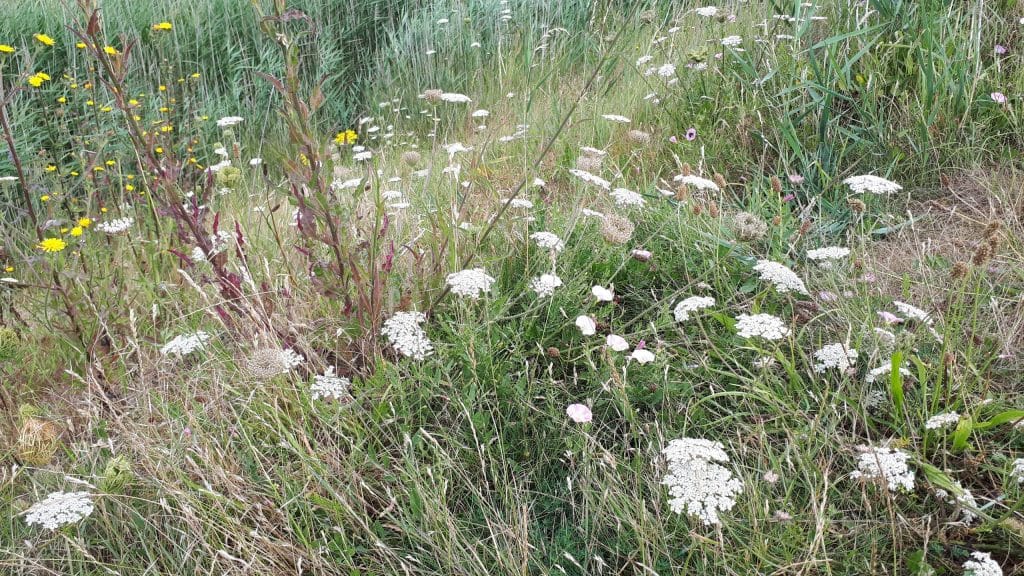
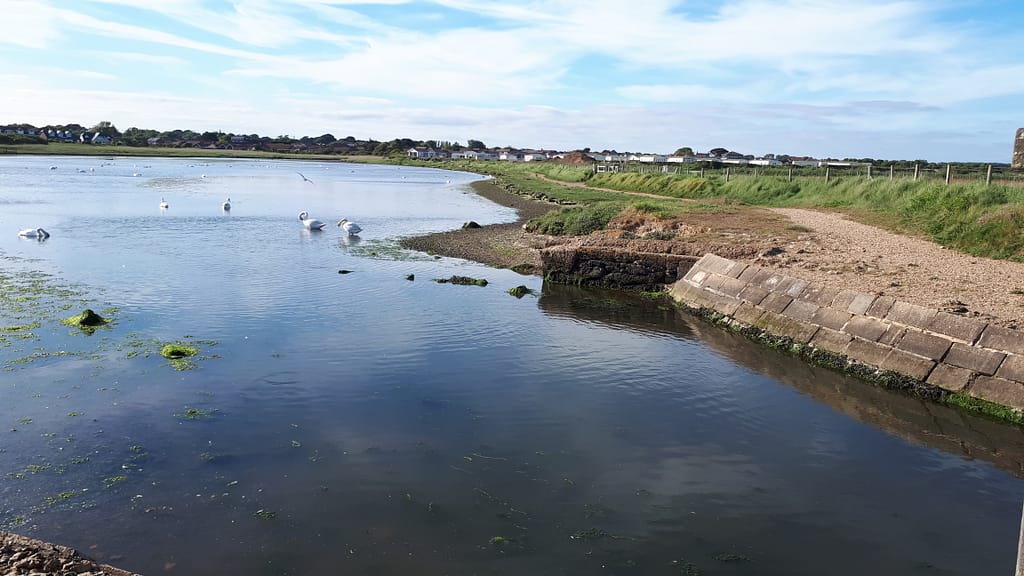
This area is now highly valued for its wildlife and scenery – the rare plants found along the shores include sea purslane, glasswort, seablite and golden samphire. Amongst the butterflies seen on warm days are glanville fritillaries. Seabirds thrive here and the best place to observe them is at Sturt Pond on the other side of the bank – there are two little bridges and a council-run bird hide, free to use. 10.9 hectares are managed by Milford on Sea Parish Council and this area includes the Danestream, reedbeds, lagoons and saltmarshes. Swans, ducks, Brent geese, mallard, teal, shelduck and grebes all live on the pond. There is path through the reedbeds into the village – just try to ignore the hideous new holiday caravan development, which blights this area and has been the subject of local planning tussles and a major concern for environmentalists due to habitat loss.

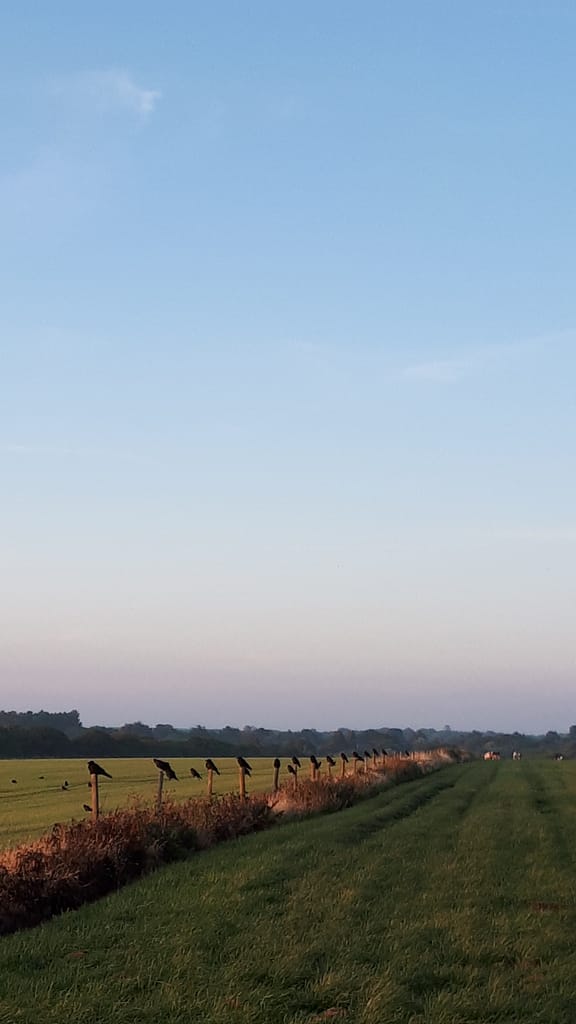

This area is great all year round for quick strolls or long bracing walks – the trek out to the castle can prove a trudge too far for some , especially on cold windy days – walking on the top of the bank can be hard work!
If you wish to take the ferry at leat one way it operates every half an hour from April to September from 10am to 530pm and until 4pm in October. The ferry does not cross from November to March. Charged at £5 per adult and £3 per over 3 you may well consider it worth the cost to avoid the trek along the shingle! A return trip is £7 and £4.