Sandy Down, Lymington, SO41 8PL ; 1 mile SE of Brockenhurst There is limited parking in laybys. The New Forest Tour bus will drop you off nearby or the no 6 Lymington to Southampton bus
Sandy Down, Lymington, SO41 8PL ; 1 mile SE of Brockenhurst
There is limited parking in laybys. The New Forest Tour bus will drop you off nearby or the no 6 Lymington to Southampton bus will take you to the turning on A337.
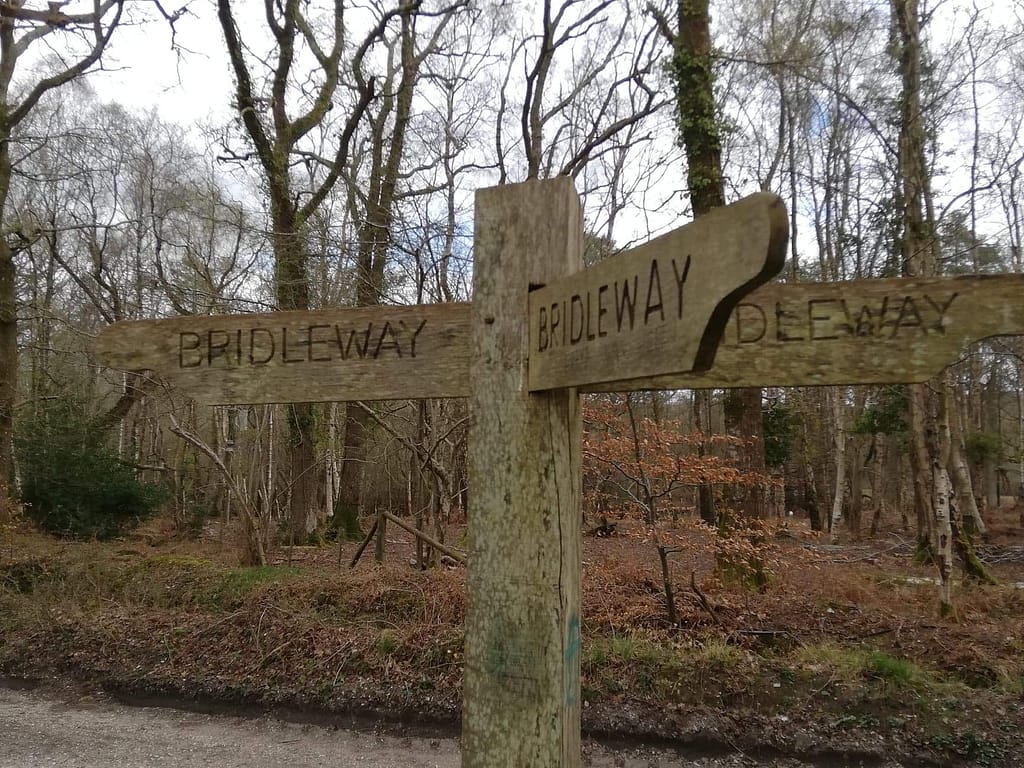
OS Map SU 315009 386 hectares of lowland pasture, heath and woodland with bridleways and permissive paths – various routes and can be muddy off the main tracks.


Managed by the Hampshire and Isle of Wight Wildlife Trust this reserve is a haven of peace, particularly off on the rough unsurfaced tracks – some are steep and often muddy, but the main bridleways are gravelled. Access points include from the A337 near the Filly Inn via a bridleway, from Tile Barn Lane or Sandy Down Lane, behind the church at Boldre or from Roundhill campsite.
Three footpaths of different lengths are marked with coloured posts and a map can be downloaded from the Wildlife Trust website.
Kindly donated to the Wildlife Trust (www.hwt.org.uk) in 1978 by Peter Barker-Mill, this reserve was also once owned by Netley Abbey. Banks and ditches show evidence of its history and you may come across signs of pit sawing, charcoal burning and brick-making as well as relics of cottages and other buildings. During the second World War there were camps in the woods in preparation for D-Day and the land was also used for training in jungle warfare.
In recent years a popular Wood Fair has been held here annually in early June and is a fabulous and interesting event for all the family. Free parking is available and entry is by donation. There are many stalls with timber and local produce on sale , craft and woodwokring demonstrations and well as children’s activities. Guided walks are on offer and there is plenty of food and drinks to purchase too. The Wildlife Trust motto is “protecting wildlife, inspiring people” and this is truly evident in Roydon Woods.
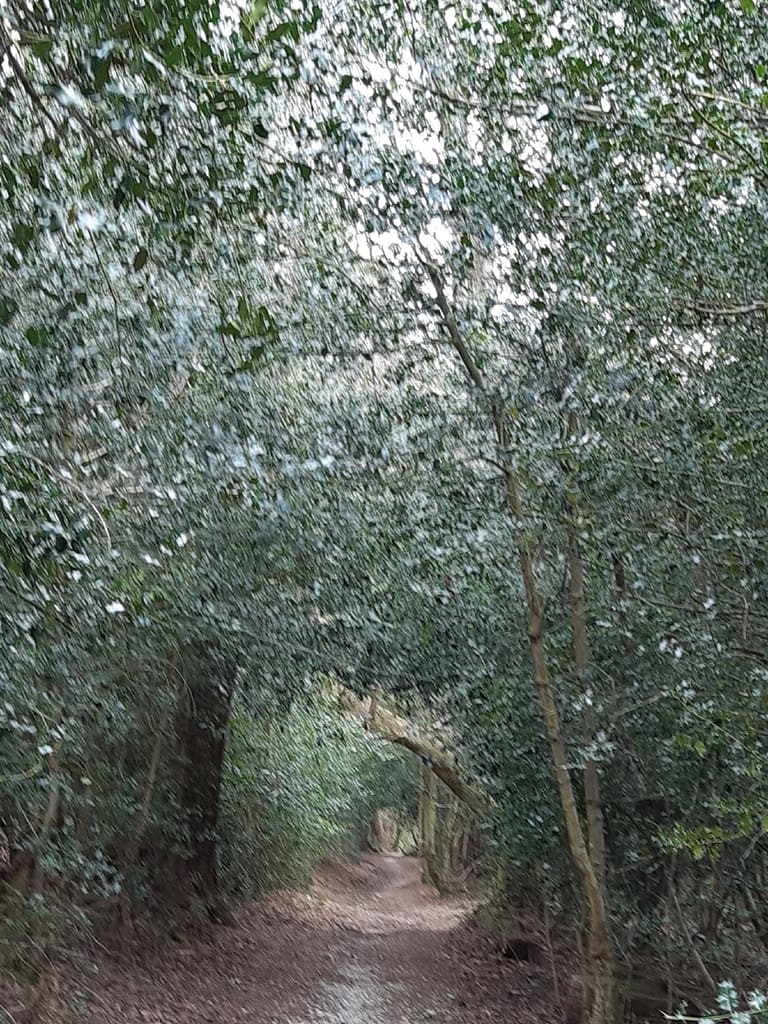


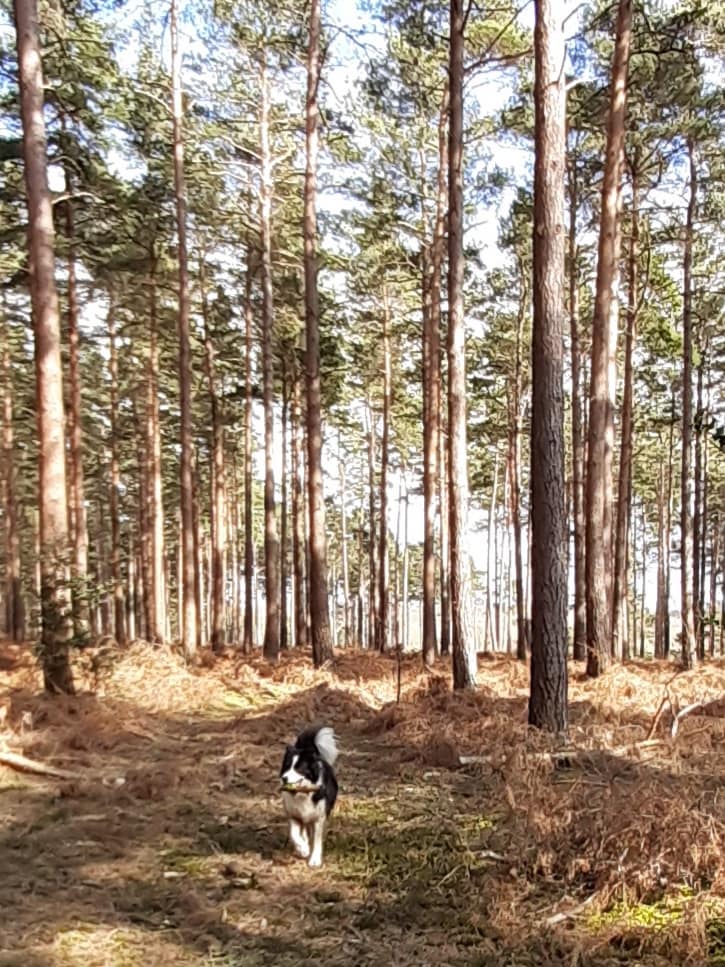

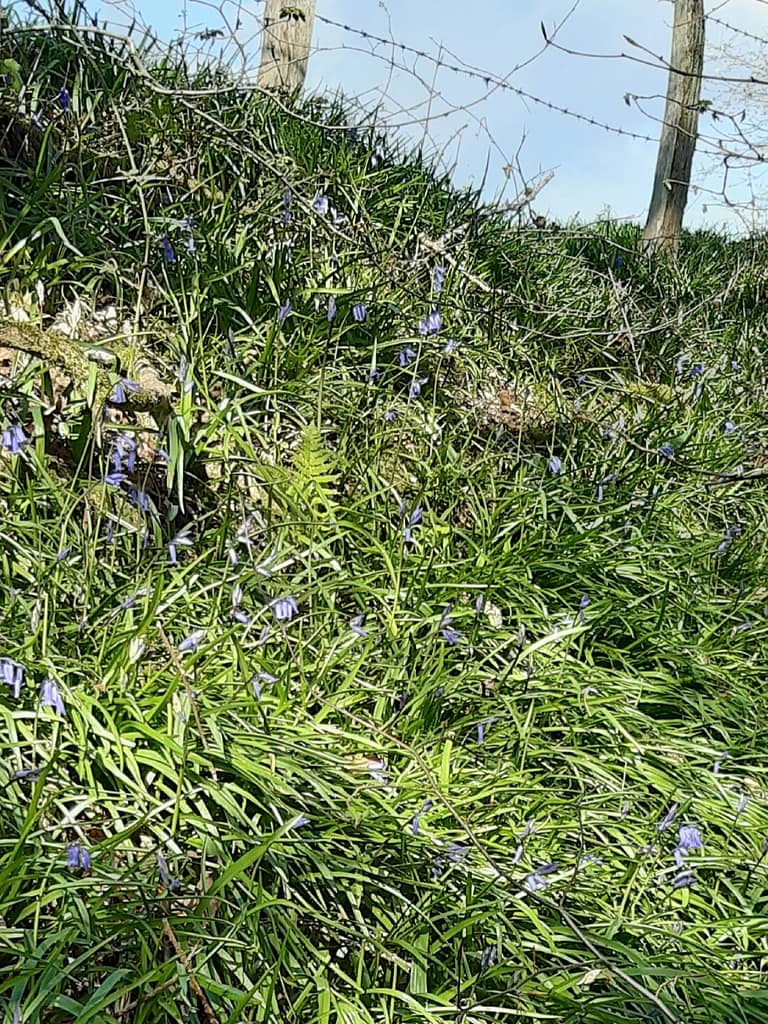
Designated a Site of Special Scientific Interest, these woods are renowned for autumn colour, the many bluebells in spring and as a wonderful place to simply escape and find tranquillity. There are many ancient trees amongst the copses and areas of beeches, conifers and hazel. Tragically, the ash trees here are suffering from the fast-spreading ash die-back, which is killing up to 95% of ash trees as there is no defence to its fungal attack. With spores able to travel up to 10 miles, hymenoscyphus fraxineus (as this disease is named) was able to come into the UK until 2012 due to the import of ash trees from infected areas. The Trust are working to clear diseased trees and there is sadly much evidence of its damage in Roydon woods. The only hope is that the resistent trees will fight back and re-populate woodland over the next 50 years – meanwhile, the impact will become ever more visible.


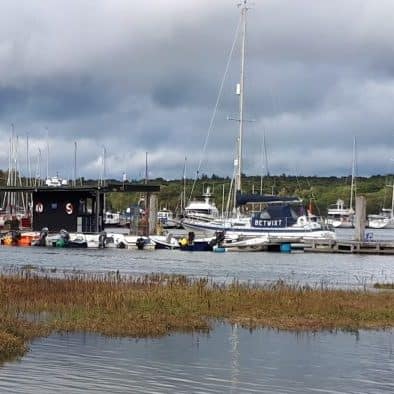
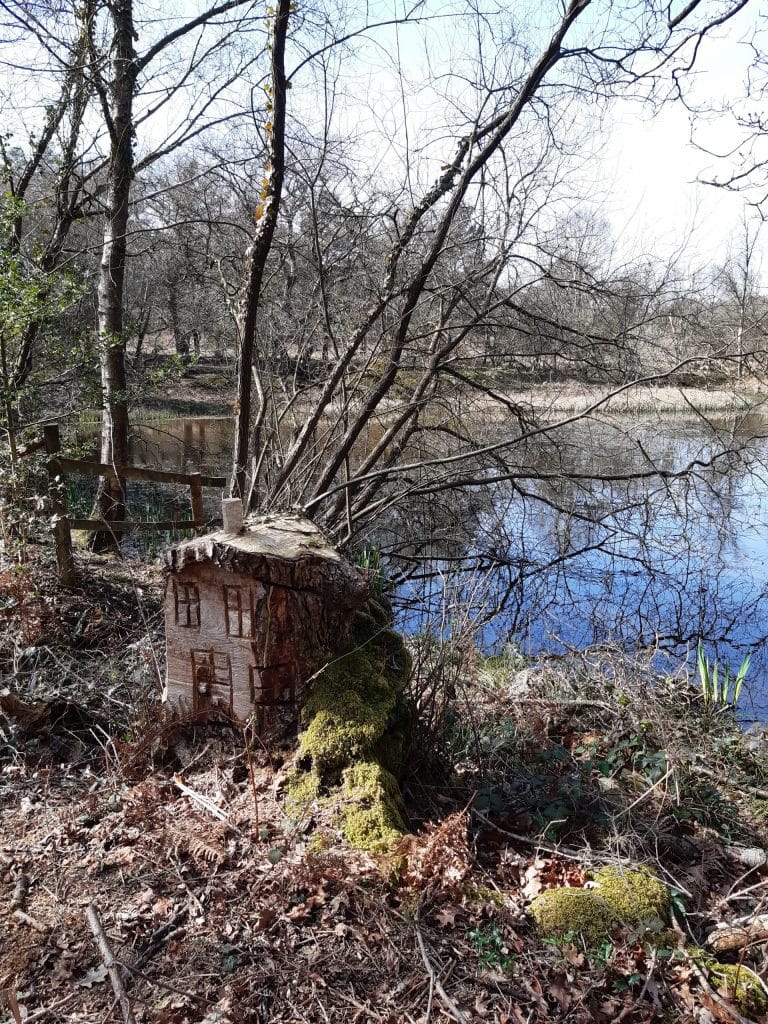
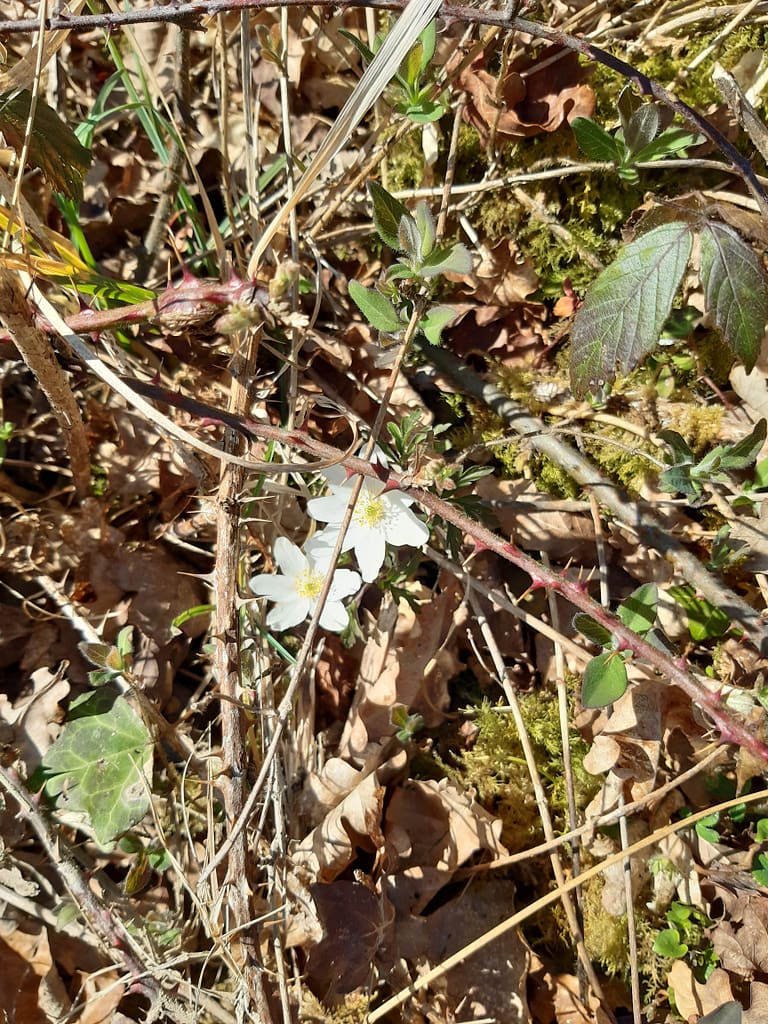
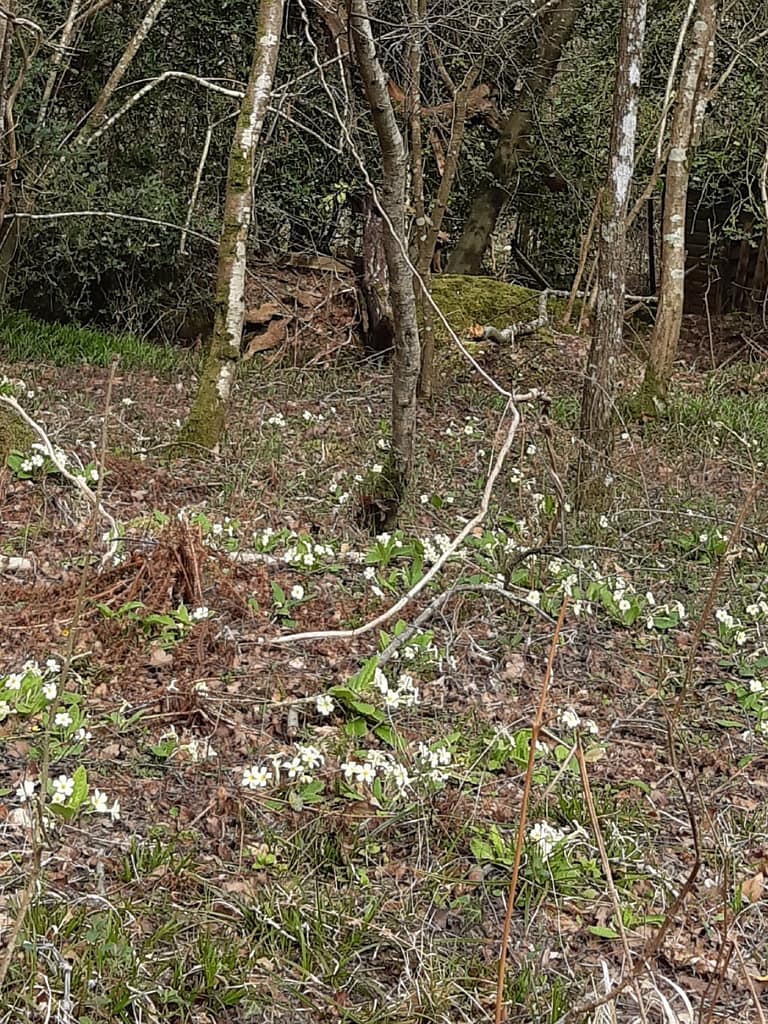
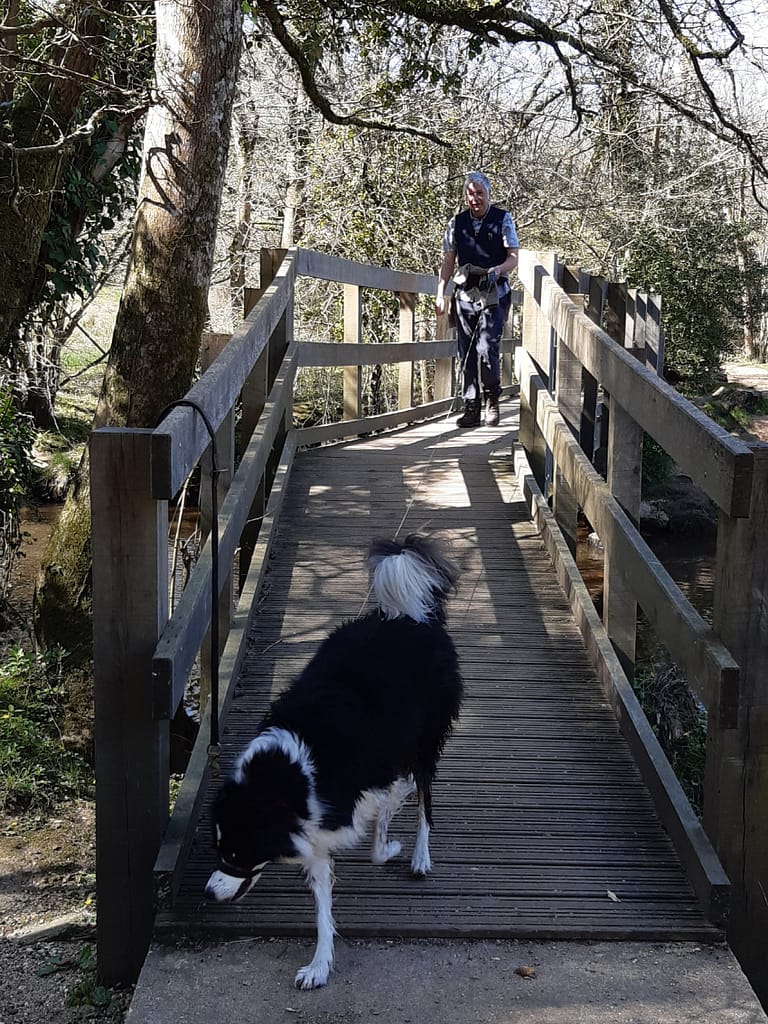
On a more positive note, these woods have a huge variety of mosses and lichens, grassy meadows and carpets of flowers, which support many butterflies such as the small pearlbanded fritillary. There are numerous streams, bogs and ponds and a section of the Lymington River with a sturdy bridge : ideal to play poohsticks and for muddy dogs to cool off. The woods have over 350 species of wildflowers .


Cattle and ponies graze on some sections and there are fallow, muntjac and sika deer in abundance – you will hear them calling in autumn – the sika deer have a strange whistling call! Badgers, voles and stoats also thrive here. Birdlife in the woods includes many greater spotted woodpeckers, nuthatches and skylarks – over the heath areas. We have regularly spotted buzards and sparrowhawks overhead. Summer visitors to look out for are chiffchaff, blackcaps and garden warblers. Fieldfare, redwings and tits flourish in the winter months. This very special habitat is home to many butterflies (such as the brimstone), dragonflies and damselflies and there are over 900 species of fungi to seek out in the damper seasons.



One of the greatest delights of Roydon Woods is the variety of habitat and vast array of wildlife and nature to appreciate – a truly magical place and one so important to protect and value.