
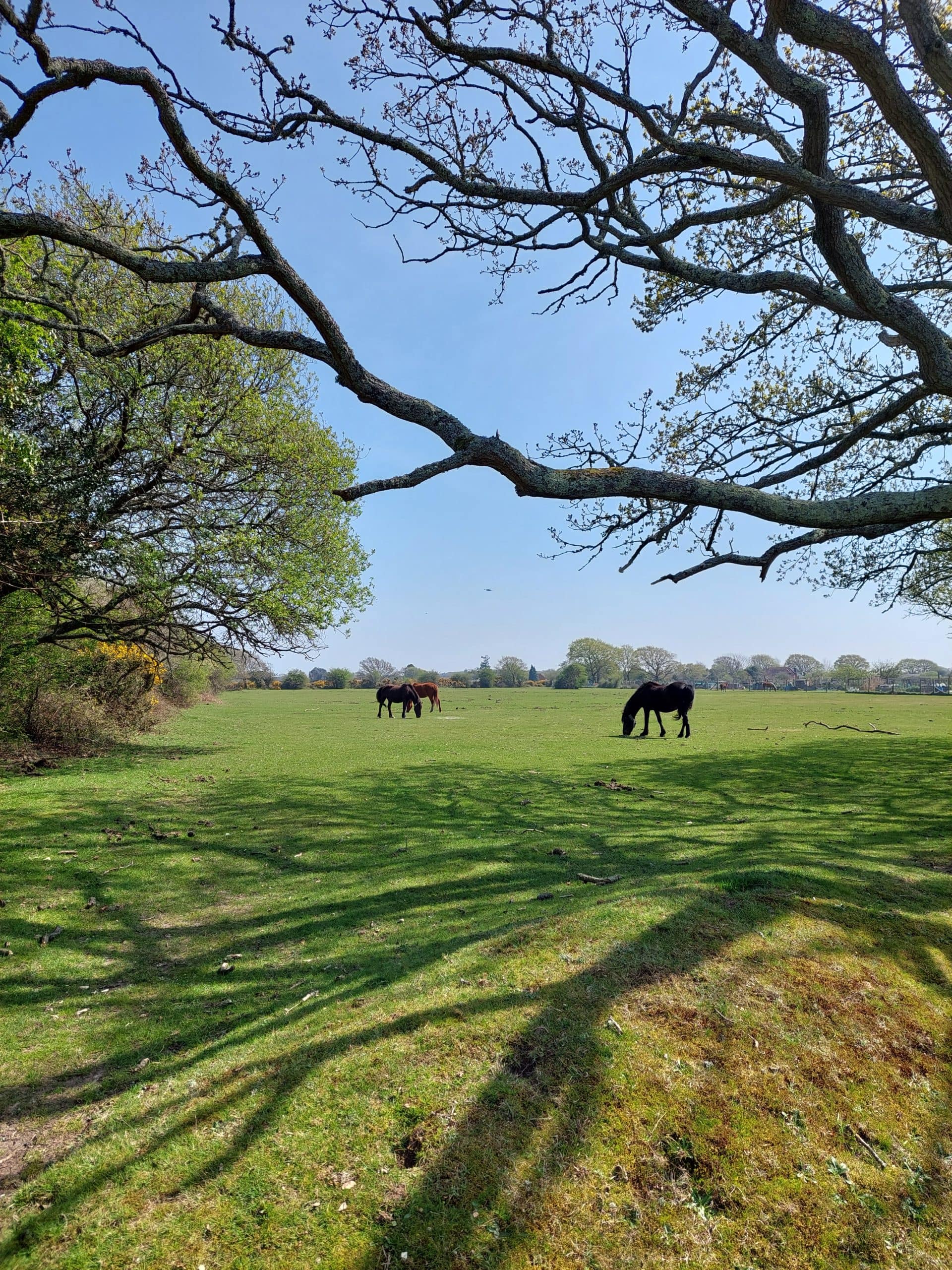
many varieties of moss, lichen, sundew and the wonderfully colours bog myrtles are also important parts of this Special Area of Conservation.
Walk: from Pitmore Lane
Many visitors to the New Forest area may not realise that the lowland heath is just as much part of the forest as the wooded areas. 10,000 hectares within the National Park form 80% of the UK’s lowland bogs and mires and a vital habitat well worth protecting. A major priority under the UK Biodiversity Action Plan these precious areas are carefully managed.


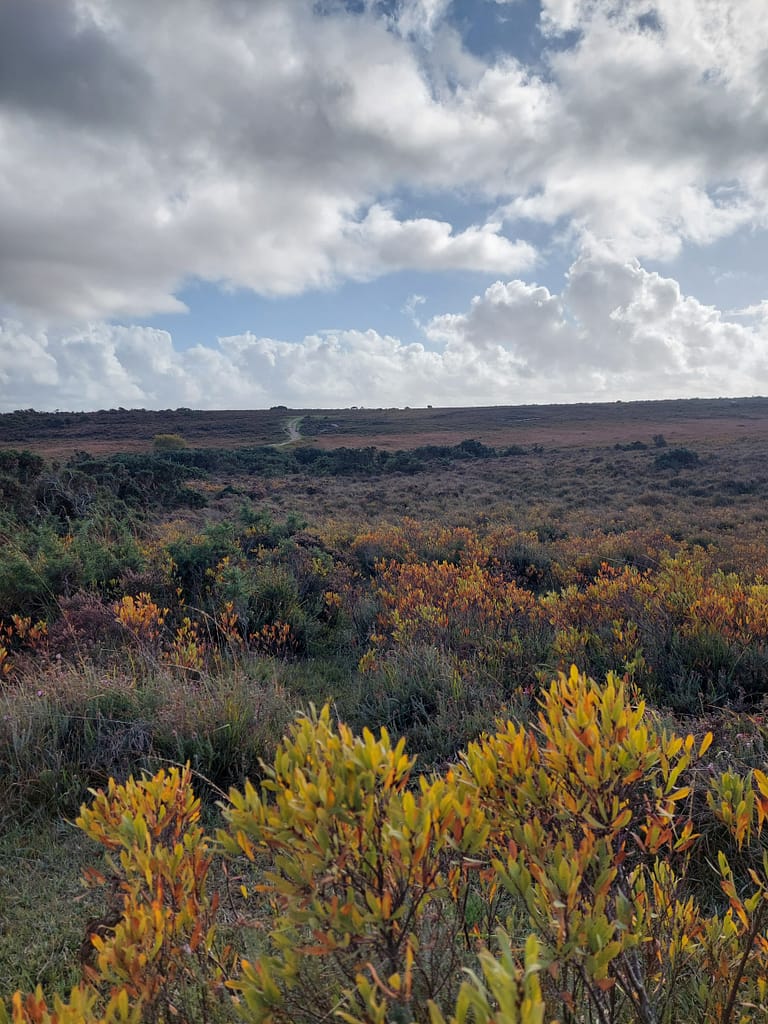
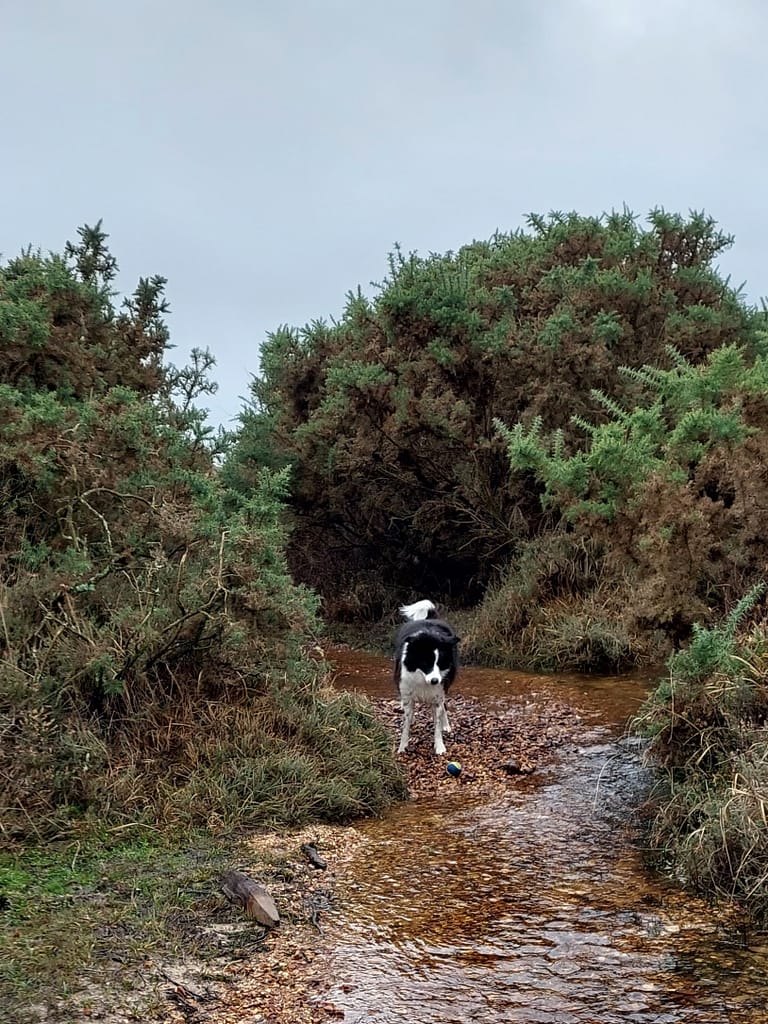

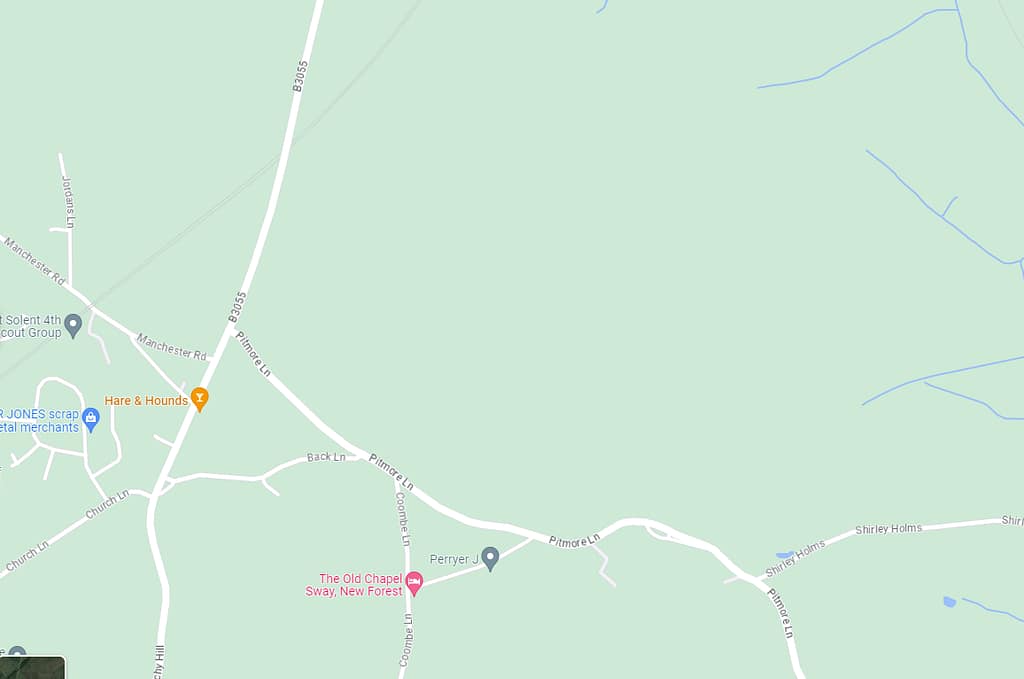
Within easy reach of Lymington, Milford on Sea and surrounds is an area of lowland heath bordering Pitmore Lane, Sway and Shirley Holmes Lane. It can be accessed from the car park at Shirley Holmes or there is limited parking opposite Sway allotments, by the football pitches. Keeping the railway line on the left and turning down a track before reaching the road on the far side will send you on a circular route back towards Pitmore Lane. Sway Tower is a good landmark, and the line of telegraph wires can help get your bearings if you emerge from the tunnel of gorse a bit confused! There is a lovely stream at the lowest point and then quite a climb up onto the higher heath – turn right through the gorse to get back to Pitmore Lane or carry on for Shirley Holmes.
I have walked this area throughout the year and would suggest good footwear as it can get very wet and puddly and last winter, I had to hop across tussocks to avoid the boggy bits as the paths were under sheets of ice. Whatever time of year there is so much to look out for, and it can feel wonderfully wild and windswept even though actually so near civilisation! I have rarely seen many other walkers , but there are sometimes pony treks nearest to Pitmore Lane.
The warm dry climate and sandy soils promote the spread of heather, bracken, gorse, and lichen within which live sand lizards, smooth snakes, and adders. Keep to the tracks in Spring and early Summer to avoid disturbing the ground nesting birds such as the Dartford warbler, nightjar, woodlark, and skylark. Flowering plants include heather, lousewort, orchids, petty whin, sundew, tormentil, wild gladioli, bog flowers as well as fungi and slime moulds. From August the heath is awash with purple heather and the year-round grasses, rushes and sedges provide many changing hues.
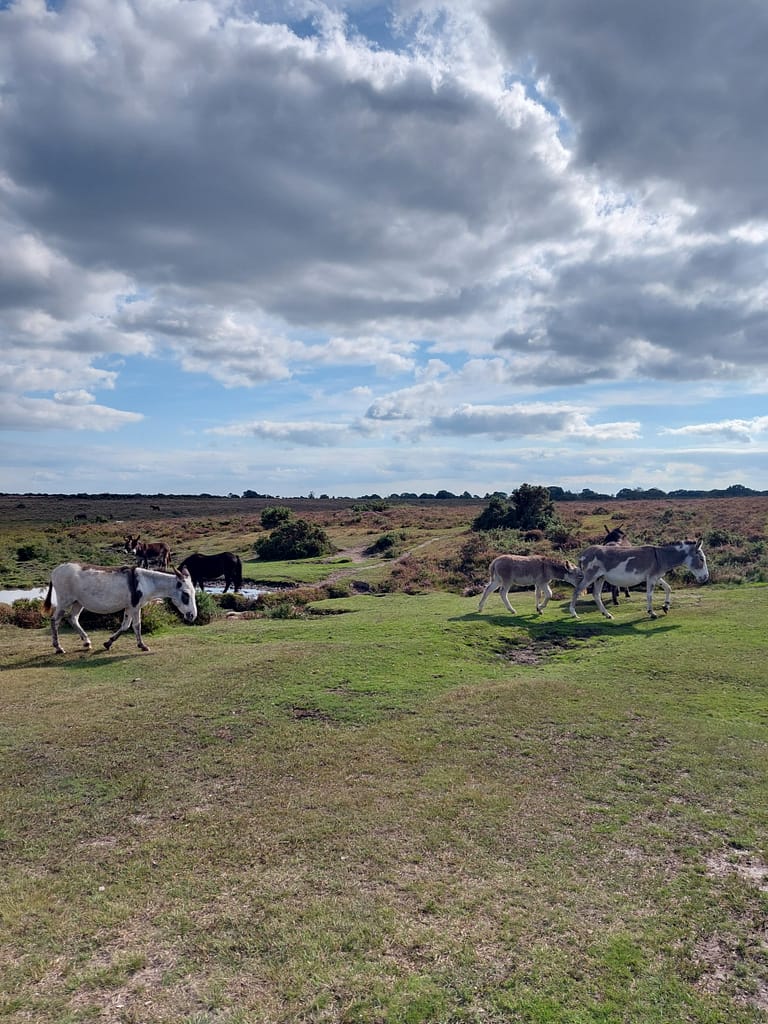
Traditionally managed by the New Forest commoners, the lowland heath areas use grazing to keep the spread of trees and shrubs to a minimum and the controlled burning of 2-3% of the heath each year is also used to maintain this unique environment. The gorse gives much-needed shelter for ponies, cattle, and donkeys during wild windy weather as well as glorious yellow flowers to brighten otherwise dull times of the year. Long ago, the many natural resources of this heathland were used for fuel, fodder and to make brushes, baskets, and bedding.


There are some year-round ponds and streams, but many areas of bog and wet areas – if you do find yourself in a boggy are, keep to the tussocks as the mires can be deep and very smelly. The mires are even rarer than rainforests, which may console you if you get very muddy! The many varieties of moss, lichen, sundew and the wonderfully colours bog myrtles are also important parts of this Special Area of Conservation.